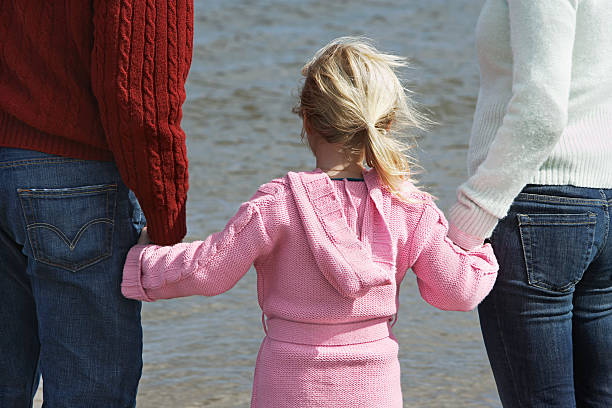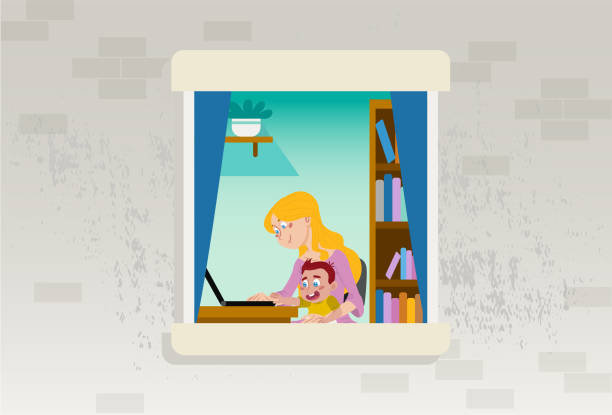
There are moments in motherhood that seem to stretch time itself—when your toddler is wailing on the kitchen floor because you cut their toast into triangles instead of squares, or your eight-year-old slams their bedroom door with a force that rattles the pictures on the wall, or your teenager shrugs off your gentle question with a sigh that feels like a slap. In these moments, something rises inside you. It might be frustration, exhaustion, or even a flash of anger that surprises you with its intensity. Before you know it, you have snapped back, raised your voice, said something you wish you could take back. Then the guilt settles in, heavy and familiar.
You are not alone. Every mother has been there. The secret is not to never react—that is an impossible standard. The secret is learning to create a tiny space between what your child does and what you do next. That space is called a pause, and it holds more power than you might imagine.
When your child is in the grip of a big emotion—rage, disappointment, fear—their nervous system is flooded. They are not being difficult on purpose; they are drowning. And if you jump into the water with them, both of you will go under. The pause is the life raft. It is one breath, one heartbeat, one moment where you choose to ground yourself before you speak. You might step into the bathroom for twenty seconds, press your palms against the cool counter, and notice the air moving in and out of your lungs. Or you might simply look away from your child’s face and say, “I need a second to think before I answer.” That is not weakness. That is wisdom.
Responding instead of reacting means you come back to the situation with your prefrontal cortex online, not your amygdala hijacked. You return with curiosity rather than accusation. Instead of “Why are you acting this way?!” you might kneel down and say, “I see you are really upset. I am here. I can handle your feelings.” That does not mean you have to fix everything. It means you hold space for the storm without becoming the storm yourself.
This practice is especially hard when you are running on empty. Moms are often expected to be endlessly patient, but patience is a muscle that fatigues. The pause is a way to replenish that muscle in real time. It also models emotional regulation for your child. They learn not from what you say about calmness, but from watching you breathe through a tough moment instead of exploding. They learn that feelings are survivable, that conflict does not have to break connection, and that repair is possible.
And here is the gentle truth: when you fail to pause—and you will, because you are human—the guilt that follows is not a punishment. It is a signal. It tells you what you value. You value connection, patience, and love. That guilt can soften into something tender if you let it. You can go back to your child later, not to defend or explain, but to repair. “I am sorry I yelled earlier. I was overwhelmed, and I love you. Let’s try again.” That repair is often stronger than never having the conflict at all.
So the next time your child’s big emotions meet your own, remember the pause. It is a small act of self-compassion that ripples outward. It protects your peace, honors your child’s humanity, and slowly, over thousands of tiny moments, transforms the way you mother. You do not have to be perfect. You just have to breathe.