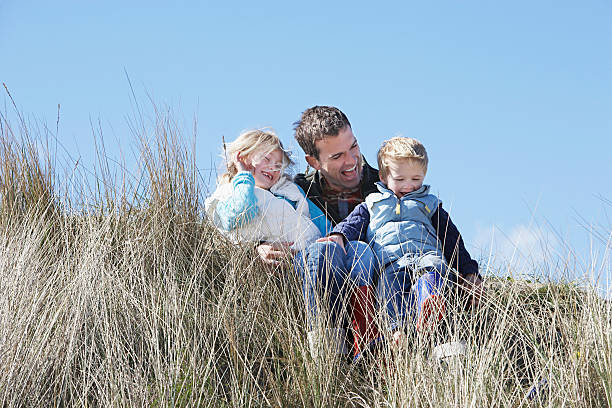
In a world that often prizes noise and constant activity, the pursuit of quiet can feel like a radical act, especially within a family. For parents wondering how to involve their children in these peaceful pauses, the answer lies not in enforcing silence, but in gently cultivating an appreciation for stillness through shared, engaging experiences. Involving kids in quiet moments is less about strict rules and more about creating inviting pathways into a calmer state of being, transforming what might be seen as boring into something curiously rewarding.
The foundation of this practice begins with modeling and reframing. Children are keen observers, and when they see a parent sitting with a book, gazing out the window, or simply taking deep breaths, they witness quiet as a normal, valued part of life. It is crucial, however, to position these moments not as a deprivation of fun but as a special kind of adventure. Instead of announcing “it’s time to be quiet,“ one might propose, “let’s see what sounds we can hear when we both stop talking for a minute,“ or “I need a calm companion to watch the clouds with me.“ This language invites collaboration rather than compliance, making the child an active participant in the discovery of stillness.
Engaging the senses provides a direct and accessible entry point into quietude. A shared quiet moment can be as simple as lying side-by-side on a blanket, listening to the layered symphony of birds, distant traffic, and the wind. It can involve passing a smooth stone back and forth, focusing on its cool weight and unique patterns. Lighting a single candle at the dinner table before eating and watching the flame dance together creates a natural pocket of hushed wonder. These sensory exercises give a child’s busy mind a gentle anchor, focusing their attention on the immediate and the tangible without the need for words.
Creative, low-stimulation activities naturally foster a quiet atmosphere and can become cherished rituals. Working on a large puzzle together at a low table requires concentration and a peaceful environment. The repetitive, methodical nature of coloring a mandala or building with simple wooden blocks slows the heart rate and stills the chatter. Even mundane tasks like shelling peas, kneading bread dough, or watering plants can become exercises in mindful quiet when done with deliberate, shared focus. The activity itself provides a structure that makes the surrounding silence feel full and purposeful rather than empty.
The world of stories remains one of the most powerful conduits to quiet. This extends beyond reading aloud to include listening to an audiobook while sketching, or even inventing a collaborative story whispered back and forth. Furthermore, introducing brief, age-appropriate guided meditations or visualizations can be framed as a journey for the imagination. “Let’s close our eyes and imagine we’re floating on a calm, blue lake” is an invitation many children will accept. These practices build their emotional vocabulary for calmness, teaching them to recognize and seek out that feeling within themselves.
Ultimately, involving children in quiet moments is an exercise in patience and presence. Some attempts will be brief, others surprisingly profound. The goal is not perfection but connection—to each other and to the inner self that often gets drowned out by daily clamor. By weaving these threads of stillness into the fabric of family life, we offer our children a profound gift: the knowledge that peace is not something found only in solitude, but can be a shared sanctuary, a place they can visit with you now, and carry within them always.