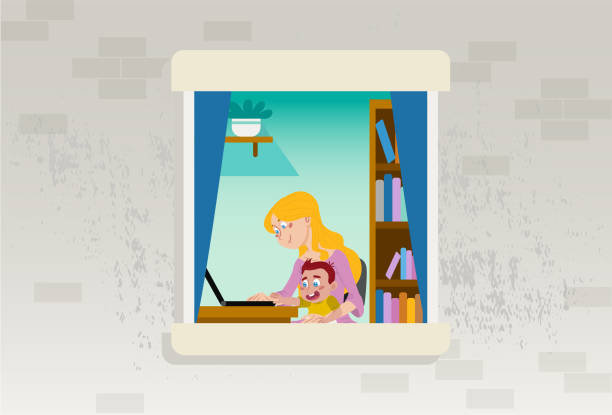
The pursuit of the perfect home, the perfect children, the perfect body, and the perfect balanced life is not just exhausting; it is a direct path to burnout. For mothers, this ideal is often sold as the standard, a shiny image of domestic bliss that has little to do with the messy, beautiful, and chaotic reality of raising humans. It’s time for a direct talk: holding onto these impossible ideals is a primary source of your daily stress. Letting them go is not a failure; it is the most practical and profound form of self-care you can practice.
Perfectionism in motherhood is a thief. It steals joy, time, and energy. It whispers that the playroom must be Instagram-ready before you can sit down, that homemade organic snacks are the only acceptable option, and that a good mother never loses her temper. This is nonsense. The energy spent agonizing over minor details and unmet standards is energy siphoned away from what truly matters: your well-being and your genuine connection with your family. When you aim for perfect, you are guaranteed to fall short, and that gap is where guilt and anxiety thrive. The goal is not a flawless performance but a functional, loving, and real life.
The first step in letting go is a brutal audit of your expectations. Ask yourself: Who set this standard? Was it a social media influencer, your own mother, a glossy magazine, or the silent, judgmental chorus of comparison at the school gate? Recognize these ideals as external forces, not truths. Then, actively choose to lower the bar to a reasonable height. A reasonable bar means sometimes serving cereal for dinner when the day has been long. It means leaving the laundry in a sorted pile instead of meticulously folded. It means understanding that a child’s creative mess is a sign of life, not a personal failing in your housekeeping. The world will not end if things are merely “good enough.”
This practice directly fuels guilt-free self-care. When you release the ideal of the ever-present, ever-sacrificing mother, you create space for yourself. Self-care ceases to be a stolen, guilty luxury and becomes a non-negotiable part of the family’s ecosystem. It is the oxygen mask principle: you must secure your own before assisting others. Practical self-care under this new mindset looks different. It is letting the kids have thirty minutes of screen time without guilt so you can drink a hot coffee in silence. It is trading off with your partner for a solo walk, not to get steps in, but to think your own thoughts. It is hiring a cleaner for two hours if you can, or simply closing the door on a messy room and reading a book. It is saying “no” to a volunteer request without a elaborate apology.
Embrace the power of “done” over “perfect.” A finished, imperfect task is always more valuable than a perfect, unfinished one. The bedtime story read while you’re tired is better than the elaborate puppet show you were too stressed to attempt. The store-bought cupcakes for the bake sale are fine. The muttered “I’m sorry I yelled, I’m having a tough day” models more humanity than the myth of constant patience ever could. Your children are not learning from a perfect specimen; they are learning from a human. They learn resilience when they see you adapt. They learn self-compassion when they see you forgive yourself. They learn what a balanced life looks like when they see you prioritize your own health.
Letting go is a daily, conscious release. It is choosing real connection over curated presentation, progress over polish, and your sanity over society’s scorecard. The laundry will never be finished. The to-do list is a renewable resource. But your peace of mind and your capacity for joy are finite. Protect them fiercely by dropping the ideals that weigh you down. The result is not a worse life, but a better, lighter, and more authentically happy one—for you and for everyone in your orbit.