

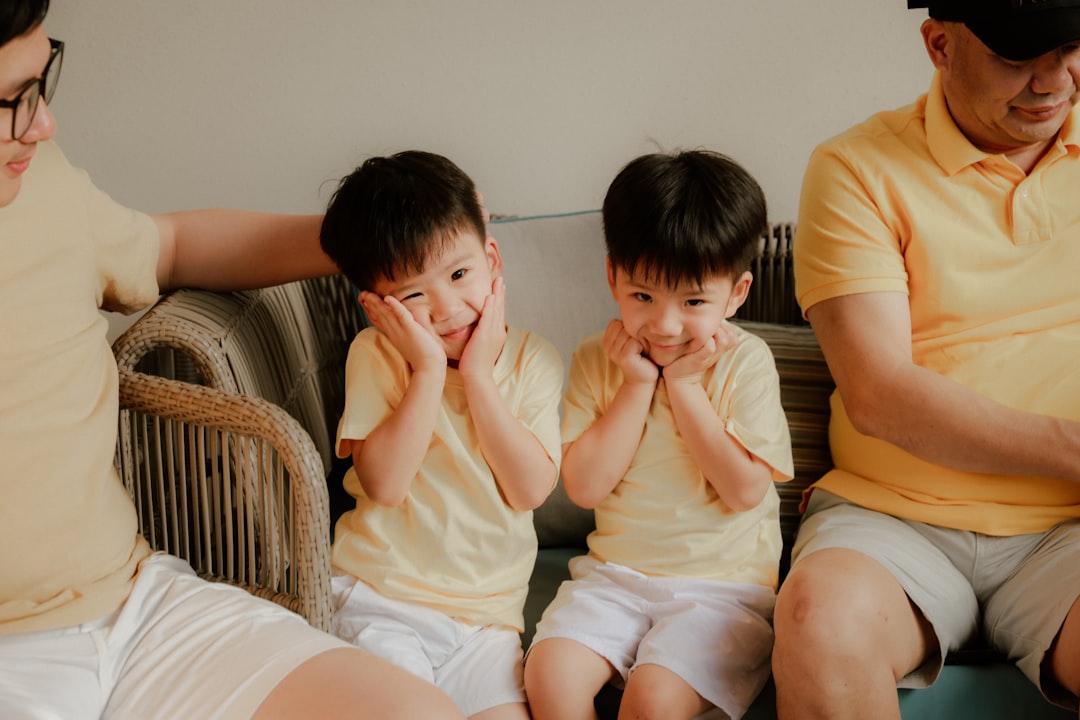
The tension is palpable. One parent believes in strict bedtimes; the other values flexibility. One insists on limited screen time; the other sees educational value in a tablet. These are not mere differences of opinion. Parenting disagreements carry a unique emotional gravity, a stress that feels more profound and personal than most other conflicts. This intensity stems from the high-stakes convergence of identity, love, and divergent visions for a shared future, all centered on the most vulnerable person in the room.
At the heart of this stress is the profound investment each parent has in the outcome. Unlike debating a political issue or choosing a restaurant, parenting choices feel intrinsically linked to a child’s well-being and future character. Every decision, from discipline to diet, is subconsciously weighed against a terrifying question: “Could this harm my child?“ This layers the conflict with existential fear. When a partner disagrees with an approach, it can feel like a dismissal of one’s deepest concerns for their child’s safety and happiness. The conflict is no longer about a single action but about fundamental care and competence, striking at the core of a parent’s identity.
Furthermore, parenting is a relentless, high-stakes project with no clear instruction manual. There are rarely definitive “right” answers, only a spectrum of philosophies supported by contradictory experts and well-meaning relatives. This ambiguity removes the common conflict-resolution tool of appealing to objective facts. Without a clear arbiter of truth, disagreements can quickly devolve into a clash of deeply held values and instincts. One parent’s “common sense” is the other’s “archaic rigidity.“ This value-laden nature makes compromise exceptionally difficult. How does one split the difference between “always comfort a crying child” and “they must learn to self-soothe”? The inability to find a mutually satisfying middle ground fuels frustration and a sense of being perpetually stuck.
The stress is also amplified by the constant, inescapable audience: the child. Children are astute observers, and parents are hyper-aware that their conflicts are modeling behavior. This creates a performative pressure to resolve disagreements calmly and unitedly, a pressure that often backfires by heightening anxiety. The fear of showing division can lead to suppressed resentment, while overt arguing induces guilt about causing the child distress. This triangulation means the conflict is never truly contained between the two adults; the child’s presence, whether physically in the room or as the central subject, becomes a third party, intensifying the emotional stakes with every word exchanged.
Moreover, parenting disagreements are rarely isolated incidents. They are chapters in an ongoing story about power, respect, and shared vision within the partnership. A dispute over sweets before dinner can tap into deeper currents: who feels more heard? Whose parenting style is dominating? Who carries the greater mental load? The conflict becomes a proxy battle for larger marital dynamics. When sleep-deprived and emotionally depleted—the default state for many parents—the capacity for empathy and nuanced communication shrinks. Exhaustion fuels reactivity, turning minor disagreements into major blow-ups, as both partners operate from a depleted emotional reserve.
Ultimately, the unique stress of parenting disagreements lies in their perfect storm of conditions. They merge high-stakes fear for a loved one with clashing core values, under the watchful eye of the person both parties cherish most, all while operating within an exhausted partnership. It is a conflict where the subject is love itself, and the perceived threat is to the child’s future and the family’s harmony. Recognizing this complexity is the first step toward navigating these inevitable disputes with more grace, seeking not to win an argument but to protect the shared project of raising a human being, together.