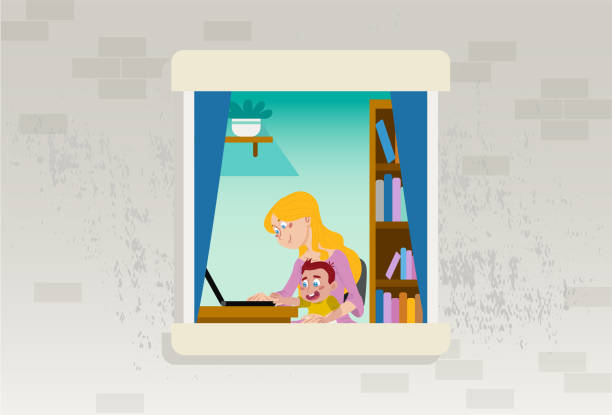
The term “momstress” has emerged as a poignant portmanteau in our modern lexicon, blending “mom” and “stress” to describe the unique, chronic pressure experienced by mothers. It is not simply the ordinary stress of parenting but a specific, culturally reinforced phenomenon. Momstress is the relentless burden of striving to meet an impossible standard—the perfect balance of nurturing caregiver, efficient household manager, dedicated professional, and attentive partner, all while maintaining personal well-being. This silent epidemic doesn’t just affect the mother; it seeps into the foundation of her most important relationships, creating fissures that can weaken even the strongest partnerships.
At its core, momstress is fueled by internal and external pressures. Internally, there is the powerful drive to provide unwavering love and a perfect childhood. Externally, it is amplified by societal expectations, social media comparisons portraying curated domestic bliss, and often, a disproportionate share of the “mental load.“ This load encompasses the invisible labor of planning, organizing, and worrying—the remembering of doctor’s appointments, the inventory of pantry staples, the anticipation of emotional needs. When one partner, typically the mother, becomes the default bearer of this cognitive burden, resentment begins to simmer. This resentment is a primary conduit through which momstress corrodes a relationship. The mother may feel unseen and undervalued as a partner, viewed more as a function than an individual, while the other partner may feel perpetually criticized or unable to meet shifting, unspoken expectations.
The effects on the relationship are multifaceted and profound. Intimacy, both emotional and physical, often becomes a casualty. Exhaustion leaves little energy for connection, and the transactional conversations about schedules and chores replace meaningful dialogue. The mother, touched constantly by children, may experience “touch fatigue,“ making affectionate or sexual contact with her partner feel like another demand rather than a source of solace. Meanwhile, the partner may misinterpret this withdrawal as rejection or loss of love, creating a painful cycle of misunderstanding. Communication itself can become strained, devolving into conflicts about task distribution that are really about deeper needs for appreciation, support, and shared purpose. The mother’s identity can become so enmeshed with her role that she struggles to reconnect with the person she was before children, leaving both partners mourning the loss of their former dynamic.
Furthermore, momstress models a concerning pattern for the entire household. Children absorb the tension, anxiety, and short tempers, learning unhealthy coping mechanisms. The partner, often wanting to help but unsure how, may retreat or become passive, exacerbating the imbalance. The relationship ceases to be a sanctuary from life’s pressures and instead becomes another arena where those pressures are played out. The joy and teamwork of parenting are overshadowed by a scorekeeping mentality, where love is obscured by logistics.
Addressing momstress requires intentional, shared effort. It begins with naming it—moving it from a vague feeling of overwhelm to a defined issue the partnership can tackle together. This involves radical honesty about the mental load, not through accusation but through invitation, perhaps by literally listing all the invisible tasks to foster understanding. Active, equitable redistribution of domestic and emotional labor is essential, moving from “helping” to true co-ownership of the household ecosystem. Crucially, the mother must be supported in reclaiming time for her own identity beyond motherhood, and the couple must fiercely guard time for their connection as partners, not just co-parents. This may require practical changes, like scheduling dates or seeking external support, but also a philosophical shift toward embracing “good enough” over perfection.
Ultimately, momstress is a shared challenge, not an individual failing. By recognizing its contours and impact, couples can transform it from a source of division into an opportunity for deeper alliance. The goal is not to eliminate stress entirely—an impossibility in parenting—but to prevent it from metastasizing into a force that isolates partners from each other. In doing so, the relationship can become stronger, not as a perfectly balanced fantasy, but as a resilient, empathetic partnership capable of weathering the beautiful, chaotic reality of family life together.