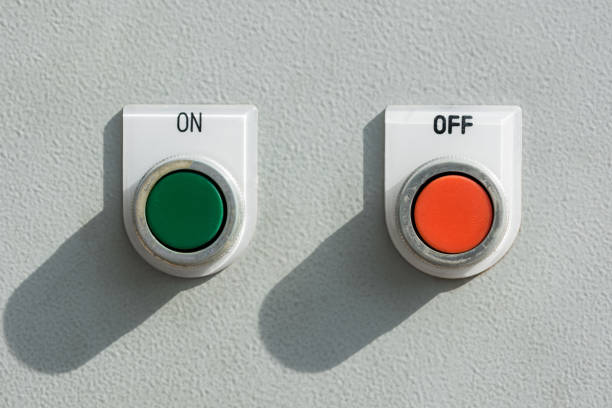
The feeling is all too familiar. After a period of mounting stress, dwindling motivation, or creative stagnation, we reach a breaking point. We declare a “reset”—a digital detox, a major workspace reorganization, a radical new schedule. For a few days, we feel the invigorating rush of change, the clarity of a fresh start. Yet, so often, the momentum fades. Old patterns creep back in, and the reset becomes a distant memory, only to be resurrected in another moment of desperation. The true challenge, then, is not in initiating a reset but in weaving its principles into the very fabric of our daily lives, transforming drastic measures into sustainable habits.
The fundamental shift required is moving from a mindset of correction to one of continuous maintenance. A last-resort reset is like waiting for your car’s engine to seize before adding oil; it is a reactive, painful, and inefficient strategy. Habitual resets, in contrast, are the regular oil changes—proactive, minor adjustments that prevent catastrophic failure. This begins with reframing the reset not as a dramatic event, but as a series of small, non-negotiable practices. Instead of vowing to “completely overhaul my sleep schedule,“ the habitual approach is to institute a consistent, fifteen-minute wind-down ritual each night. The grand gesture is broken down into a repeatable, manageable action that avoids the intimidation and exhaustion of constant major overhauls.
Integrating these micro-resets successfully demands that we anchor them to our existing routines, a concept known as habit stacking. Our days are already sequences of ingrained behaviors: brushing teeth, brewing coffee, commuting home. By attaching a new reset intention to an established habit, we leverage existing neural pathways. For instance, after pouring your morning coffee, you might spend sixty seconds visualizing your top priority for the day. This simple act resets your focus daily, preventing priorities from becoming so muddled that a major intervention is needed. The commute home could be transitioned into a “mental reset” by switching off news podcasts and listening to music instead, creating a psychological boundary between work and personal life. These anchored actions become automatic, requiring less willpower than a standalone, drastic change.
Crucially, we must design our environments to make these reset habits the default, not the exception. If a digital reset is your goal, leaving your phone charging in another room overnight removes the need for nightly willpower to avoid scrolling. If creative clutter is the issue, a weekly ten-minute “reset” to tidy your desk every Friday afternoon ensures it never becomes a mountainous, demoralizing task. Environment shapes behavior more powerfully than intention; by making the reset-conducive choice the easiest choice, we surrender less to fleeting motivation.
Finally, and perhaps most importantly, is the cultivation of self-compassionate awareness. Last-resort resets are often born from self-criticism—a feeling of having failed or fallen too far behind. To make resets habitual, we must practice noticing the early warning signs of drift without judgment. This is the subtle art of tuning in: recognizing the first hints of burnout, the initial pangs of distraction, the early tightening of stress. With this gentle awareness, we can deploy a small, corrective habit—a five-minute meditation, a walk around the block, a prioritization of the to-do list—before the situation demands a nuclear option. This shifts the reset from a punishment for poor management to a gift of care for your future self.
Ultimately, the goal is to stop thinking about resets as something you do and start living as if reset is something you are. It is the ongoing practice of calibration, not the occasional catastrophe of correction. By embracing micro-actions, anchoring them to routines, engineering supportive environments, and listening with kindness to our own needs, we build a life that is inherently resilient. The dramatic, last-ditch effort becomes obsolete, replaced by a steady rhythm of small renewals that sustain our well-being, focus, and peace every single day.