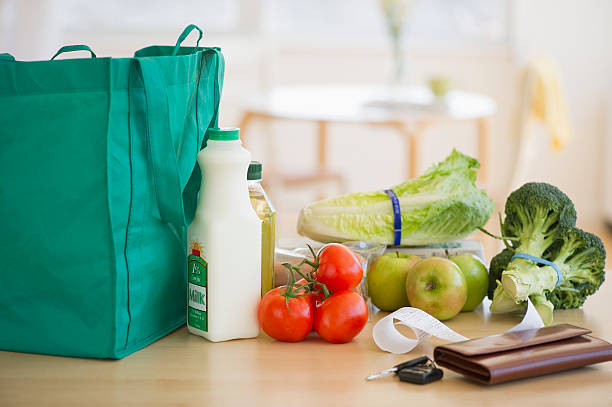
The term “momstress” has emerged in modern parenting lexicon, a poignant portmanteau of “mom” and “stress” that encapsulates the unique, chronic pressure of motherhood. It describes the relentless mental and emotional burden—the invisible labor—that mothers often carry in managing a household and family. While this stress manifests in countless domains, from scheduling to emotional support, one of its most tangible and recurring battlegrounds is the grocery store. The relationship between momstress and groceries is profound, revealing how a routine errand is transformed into a complex cognitive and logistical operation that epitomizes the weight of unseen responsibilities.
At its core, momstress related to groceries is about the immense mental load. Grocery shopping is rarely a simple act of purchasing food. It begins days before the actual trip, with the mental inventory: tracking what is running low, recalling individual family preferences and dietary restrictions, planning meals for the week to balance nutrition, cost, and time, and cross-referencing this with the calendar to account for busy nights. This constant background processing—remembering that one child hates mushrooms, another needs lactose-free milk, and that Tuesday’s dinner must be quick before soccer—is a classic component of momstress. It is the cognitive labor of being the household’s chief operations officer, a role that is often automatically and disproportionately assumed by mothers.
Furthermore, the grocery trip itself is a minefield of logistical and decision-making pressure that fuels momstress. Navigating the aisles, mothers frequently juggle a physical list, a mental list, a budget, and often young children. They make hundreds of micro-decisions, from choosing between brand names and generics to assessing the ripeness of avocados for tonight’s dinner versus Friday’s. This is compounded by the societal and self-imposed pressure to make “good” choices—selecting organic produce, avoiding processed sugars, staying within a food budget amidst inflation, and reducing plastic waste. Each choice carries a tiny weight of judgment and responsibility, contributing to the cumulative fatigue of momstress. The grocery cart becomes a tangible representation of her care and planning, and any perceived failure—a forgotten item, a blown budget, a rejected meal—can feel personally consequential.
The financial dimension of grocery shopping also intensifies momstress. In many households, mothers are the primary managers of the food budget, a task that has grown increasingly stressful with economic fluctuations. Stretching dollars, hunting for sales, using digital coupons, and calculating cost-per-unit are all financial management tasks layered onto the nutritional and logistical planning. This constant balancing act between providing healthy, appealing food and maintaining fiscal responsibility is a significant, often anxiety-producing burden. The receipt at the checkout is not just a tally of goods, but a scorecard of her resourcefulness, a physical proof of her labor that can either alleviate or exacerbate her stress.
Ultimately, groceries are related to momstress because they symbolize the cyclical, never-finished nature of maternal labor. A successful grocery trip and a week of well-received meals offer only a brief respite before the mental inventory begins anew. The refrigerator empties, the cycle resets, and the burden remains. This Sisyphean task underscores a key aspect of momstress: the lack of a definitive “end” to the responsibility. The grocery list is perpetually regenerating, mirroring the endless to-do list in a mother’s mind.
In conclusion, momstress finds a powerful symbol in the mundane act of grocery shopping. What appears to be a simple chore is, in reality, a dense concentration of mental labor, logistical planning, financial management, and emotional care. Understanding this connection highlights that alleviating momstress requires more than occasional help with the shopping bags; it necessitates a fundamental sharing of the cognitive and managerial load. Recognizing the grocery store as a theater of momstress is a step toward valuing the invisible work mothers do and redistributing the weight of the cart—and the mind—more equitably.