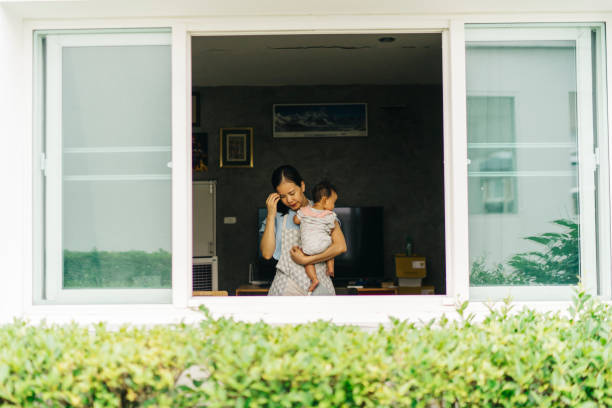


The reality of being a single mother is a profound exercise in relentless multitasking, where you are the sole CEO, CFO, emotional anchor, and head of operations for your family. The question of how to manage everything without a partner to share the load is not just about logistics; it is about sustainability, sanity, and creating a joyful life amidst the beautiful chaos. The answer lies not in achieving a mythical state of having it all perfectly balanced, but in building a resilient, personalized system that prioritizes what truly matters.
First and foremost, you must grant yourself the grace to release the ideal of perfection. The societal pressure to be both the perfect provider and the perfect nurturer, all while maintaining a spotless home, is an impossible standard, especially without a co-pilot. Embrace the concept of “good enough.“ A home filled with love does not require immaculate floors. A nutritious meal can be simple. Your worth as a mother is not measured by a checklist of completed tasks, but by the security and love your children feel. This mental shift from perfectionism to purposeful adequacy is your foundational armor against burnout. It allows you to conserve your most precious resource: your energy.
With that mindset established, the practical management begins with ruthless prioritization and strategic organization. Sit down, not in a moment of crisis, but in a quiet moment, and identify the non-negotiable pillars of your family’s life. These are typically children’s health and schooling, your income, and basic household functionality. Everything else is negotiable. Use a centralized calendar—digital or physical—to map every appointment, deadline, school event, and work commitment. Visualizing the week ahead allows you to spot conflicts and plan proactively. Meal planning, even if basic, and establishing simple routines for mornings and evenings create predictable rhythms that reduce decision fatigue and give children a sense of stability.
Crucially, managing everything does not mean doing everything yourself. Your greatest power is in building your village. This village may look different than a traditional family structure, but it is vital. It can include other parents for school pick-up swaps, a trusted neighbor for emergency childcare, or family members who can help with specific tasks. Do not hesitate to delegate to your children as well; age-appropriate chores teach responsibility and lighten your load. Furthermore, investigate community resources. Many communities offer support groups for single parents, sliding-scale childcare, or recreational programs that provide valuable respite. Asking for help is not a sign of weakness; it is a strategic tool for survival and success.
Finally, and this is non-negotiable, you must carve out space for your own well-being. It is the classic airplane oxygen mask principle: you cannot help your children if you are depleted. Self-care is not selfish; it is maintenance. This does not require lavish spa days, but consistent, small acts of preservation. It might be fifteen minutes of quiet with a coffee before the day begins, a weekly phone call with a supportive friend, or a short walk. Protect this time fiercely. Your physical and mental health are the engine of your family. Additionally, be mindful of your financial future. If possible, even a modest automated savings contribution can build a safety net and provide immense psychological peace.
The journey of a single mom is undoubtedly one of immense challenge, but it is also one of incredible strength and profound connection. You are modeling resilience, resourcefulness, and unconditional love for your children every single day. By releasing perfection, planning with purpose, cultivating your support network, and prioritizing your own vitality, you create a life that is not merely managed, but one that can truly thrive. You are not just managing everything; you are building a legacy of perseverance and love, one day at a time.