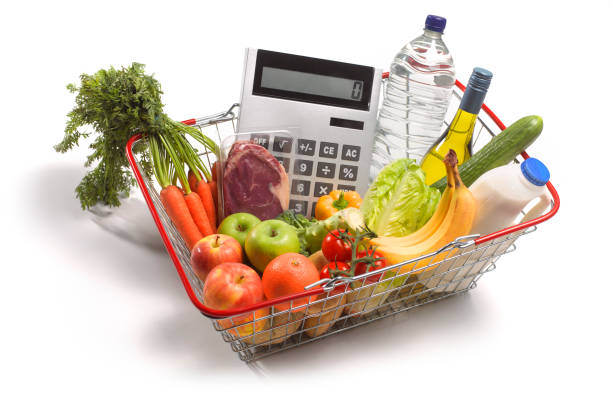
The rising cost of groceries can feel like an inescapable pressure, turning a routine shopping trip into a source of financial anxiety. Faced with a barrage of complex advice—from coupon clipping to meal planning to price comparison—many feel paralyzed, unsure where to begin. The truth is, the most effective and easiest way to start cutting your grocery bill requires no apps, no subscriptions, and no drastic lifestyle changes. It begins with a single, transformative habit: writing and adhering to a detailed shopping list, created only after you have taken a complete inventory of what you already own.
This approach is deceptively powerful because it attacks the root cause of most grocery waste and overspending: buying what you do not need. Without a list, shopping is a reactive process. You wander aisles, guided by marketing displays, fleeting cravings, and a foggy memory of your pantry. This leads to impulse purchases, duplicate items, and fresh produce that often languishes in the crisper drawer because it was not part of a deliberate plan. The list, however, transforms shopping from a reactive to a proactive endeavor. It becomes your budget’s blueprint, a focused mission that keeps you on track and your cart aligned with actual necessity.
The critical precursor to writing that list, however, is the often-skipped audit. Before you even consider what to buy, you must know what you have. Open your refrigerator, your pantry, your freezer. Take stock of every can, half-used bag of rice, jar of sauce, and forgotten vegetable. This simple act of visibility is revolutionary. It prevents you from buying your third bottle of olive oil or another bag of dried beans that will simply join the others in the back of the cupboard. More importantly, it allows you to build your upcoming meals around these existing ingredients, ensuring they are used before they spoil. That lone sweet potato, the half-box of pasta, and the can of coconut milk are not just items; they are the foundation of your next meal and direct savings subtracted from your next receipt.
Armed with this knowledge, crafting your list becomes an exercise in strategic planning. Start by sketching out a few meals for the week, prioritizing recipes that incorporate the items you already possess. Then, and only then, write down the specific ingredients you need to complete those meals. Be meticulous—note quantities to avoid overbuying. This list is now a non-negotiable contract with yourself. At the store, discipline is key. Stick to the items written down. If an enticing item not on your list catches your eye, pause and ask a simple question: “Does this fit into a meal I will definitely make this week, or is it an impulse?“ This moment of mindfulness is where the financial battle is won.
By starting with this straightforward system of inventory and list, you achieve several cost-saving victories simultaneously. You dramatically reduce food waste, as you are consciously using what you have. You eliminate the premium cost of impulse buys, which are often processed or convenience foods. You minimize redundant purchases. And perhaps most importantly, you cultivate a more intentional relationship with your food and your spending. This single habit creates a stable foundation. Once mastered, it naturally leads to other savvy practices, like noticing price-per-unit or buying seasonal produce, because you are now shopping with purpose. The journey to lowering your grocery bill does not require a complicated overhaul; it begins with a pad of paper, an honest look in your cupboard, and the resolve to buy only what you truly need.