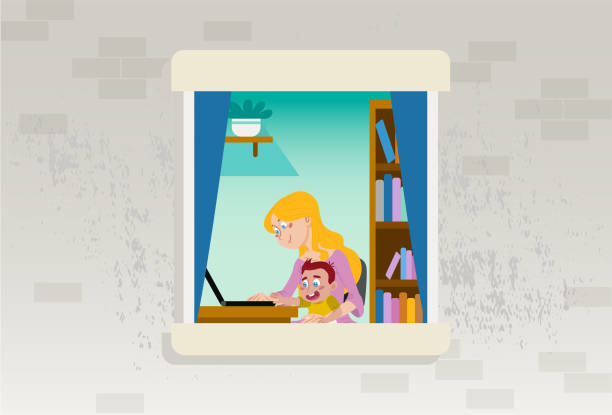
The modern mother is often a master of logistics, a curator of color-coded calendars, and a commander of carpool lines. In the noble pursuit of providing structure and ensuring that nothing falls through the cracks, she crafts schedules with the precision of a military campaign. Yet, within this well-intentioned architecture of efficiency lies a single, pervasive mistake that undermines the very peace it seeks to create: the failure to build in buffers of unstructured time. The biggest error is not in the planning itself, but in the creation of a schedule that is too rigid, too packed, and devoid of essential white space, ultimately leading to family-wide burnout and missed moments of genuine connection.
This over-scheduling stems from a perfect storm of cultural pressure and internalized expectation. There is an unspoken fear that idle time is wasted time, that a child not enrolled in a enriching activity is falling behind, and that a “good” mom maximizes every minute. Consequently, schedules become a cascade of back-to-back commitments: school, followed by soccer practice, hurriedly eaten dinners in the car, rushed homework sessions, and mandated reading time before a strict lights-out. Every slot is accounted for, creating an illusion of control and productivity. However, this approach ignores fundamental human needs. Children, like adults, require downtime to process their experiences, to daydream, to be bored, and to engage in self-directed play. It is in these unstructured moments that creativity flourishes, independence is nurtured, and emotional regulation is practiced.
The consequences of this packed-schedule mistake are felt across the entire family ecosystem. For children, it manifests as anxiety, resistance, and meltdowns—often misinterpreted as behavioral issues when they are actually symptoms of overwhelm. They lose the ability to initiate their own activities, constantly looking to an external schedule for direction. For the mother, who is typically the chief operating officer of this complex system, the toll is profound. She becomes a relentless timekeeper and chauffeur, constantly managing transitions and barking orders to keep the train on its tracks. This role erodes her capacity for joyful interaction, replacing patience with pressure. The schedule, intended as a tool, becomes a tyrant, and the mother’s primary relationship with her children shifts from nurturer to nagging coordinator.
Furthermore, a rigid schedule leaves no room for life’s beautiful, unpredictable moments. It cannot accommodate the sudden discovery of a fascinating bug on the sidewalk, the heartfelt conversation that bubbles up during a lazy afternoon, or the extra cuddles needed after a difficult day. When a schedule is too tight, these opportunities for spontaneous connection and teaching are treated as interruptions rather than the very essence of parenting. The family becomes a slave to the clock, sacrificing presence on the altar of punctuality.
The remedy is not to abandon scheduling, which provides necessary rhythm and security, but to approach it with intentional flexibility. The wisest schedule builders strategically incorporate buffers—pads of time between activities, entire afternoons with no plans, and weekends protected from the encroachment of obligatory social events. This “white space” is not empty; it is fertile ground. It is where children learn to entertain themselves, where siblings negotiate their own games, and where a mother can breathe, observe, and truly engage. It allows for the inevitable delays—the lost shoe, the sudden diaper change, the traffic jam—without spiraling into stress.
Ultimately, creating a family schedule should be an act of stewardship over time, not a domination of it. The biggest mistake is believing that a fuller calendar equals a fuller childhood, or a more successful mother. The courage to leave gaps, to say no to good opportunities to protect the best ones, and to value stillness as much as activity, is a revolutionary act in a culture of constant busyness. By building a schedule that breathes, a mom does not create chaos; she creates the space where resilience, creativity, and family bonds can truly grow. She exchanges the role of frantic manager for the more profound one of a present guide, discovering that sometimes the most important thing on the agenda is, in fact, nothing at all.