In the meticulous world of cooking, baking, data processing, or any task performed in batches, the fear of interruption looms like a shadow. The scenario is universally frustrating: you are deeply immersed in a sequential process, each step building precisely upon the last, when an unavoidable disruption—a phone call, an urgent knock, a child’s cry, or a system crash—pulls you away. The immediate question that floods the mind is one of pure anxiety: what if I get interrupted in the middle of a batch? The answer, while dependent on the specific context, invariably revolves around the core concepts of salvageability, safety, and the often-underestimated power of preparation.
At its heart, a batch process implies a point of no return. In culinary terms, once the wet and dry ingredients are combined, or the yeast is activated, the chemical reactions begin their relentless march. An interruption here is a race against time. A bread dough left to rise unchecked on the counter will over-ferment, collapsing into a sour, sticky mess. A half-mixed cake batter, left sitting, may see its leavening agents begin to expire, resulting in a dense final product. The degree of ruin depends on the duration of the interruption and the stage of the process. Yet, not all is necessarily lost. Sometimes, the batch can be saved with quick thinking—refrigerating the dough to dramatically slow the yeast, or swiftly moving to the next step upon return. The interruption becomes a lesson in the science behind the craft, teaching the practitioner about the true timelines and tolerances of their ingredients.
Beyond the kitchen, in digital or industrial realms, an interruption carries different stakes. A batch data job processing thousands of records, if interrupted by a power failure, could lead to corrupted files, incomplete transactions, or massive data inconsistency. Here, the consequences are measured not in spoiled food but in corrupted information, financial loss, and broken trust. Modern systems often employ safeguards like transactional checkpoints or save states, designed specifically for this scenario. These systems answer the “what if” with robust engineering, allowing the batch to resume from the last verified point, ensuring integrity even when the human or machine operator is pulled away. This highlights a critical distinction: in automated processes, resilience is built-in; in manual ones, it must be consciously built by the practitioner.
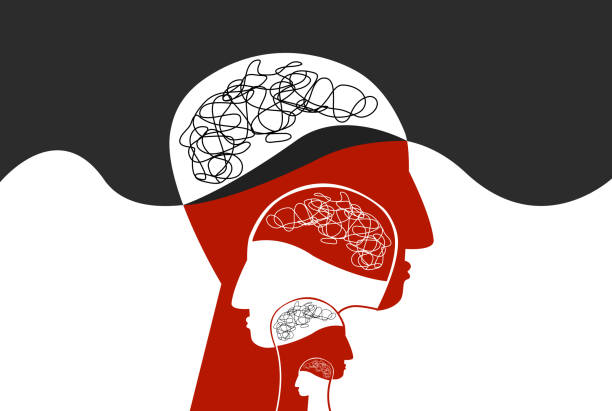
Perhaps the most profound impact of a mid-batch interruption is on the human psyche and workflow. It shatters focus, that state of deep flow where efficiency and creativity peak. Returning to the task requires a costly mental reload—retracing steps, reassessing the state of the batch, and rebuilding concentration. This cognitive tax is the true hidden cost of the interruption. It transforms a smooth, linear procedure into a fragmented puzzle, increasing the likelihood of human error upon re-entry. A baker might forget an added ingredient; a painter might lose the consistency of a mixed color. The process is no longer intuitive but forensic.
Therefore, the ultimate strategy against interruption lies not merely in reactive salvage but in proactive planning. The seasoned batch operator anticipates the possibility of disruption. They practice mise en place, having all tools and materials prepared before the irreversible steps begin. They read recipes or protocols thoroughly in advance, identifying natural pause points—stages where the batch can safely rest. They might even set timers as sentinels against the slow creep of forgotten tasks. In essence, they build a buffer of time and a protocol for pause into their process.
So, what if you get interrupted? The batch may be compromised, or it may be saved. Resources may be wasted, or resilience may be demonstrated. The true takeaway, however, is that the potential for interruption is an inherent part of any batch process. By understanding the vulnerabilities of the task at hand, by implementing systems where possible, and by cultivating a mindset of prepared flexibility, we can transform the panic of the interruption into a manageable, sometimes even instructive, event. The interrupted batch, therefore, becomes more than a potential disaster; it becomes a test of our foresight and a lesson in the non-linear nature of even the most meticulously planned endeavors.