
You know that quiet hum of exhaustion that lives just beneath your skin? The one that grows a little louder every time you fold another load of laundry, pack another lunch, or soothe another tear. Somewhere along the line, many mothers learn that asking for help feels like admitting a secret weakness. But the truth is far gentler than that: learning to ask for what you need is one of the most tender, powerful acts of self-care you can offer yourself and everyone you love.
When you hold everything inside, the small frustrations start to stack up. A husband who doesn’t notice the dishwasher needs emptying. A partner who assumes you’ve already arranged the playdates. A friend who doesn’t call to check in because she thinks you have it all together. Without a way to speak your needs, resentment begins to grow like a quiet weed in the corner of your heart. It isn’t dramatic or loud at first. It’s just a tiny ache each time you wash a dish you didn’t use, or stay up late finishing a task you never asked for help with. Over time, that ache can turn into distance, bitterness, and even loneliness inside your own home.
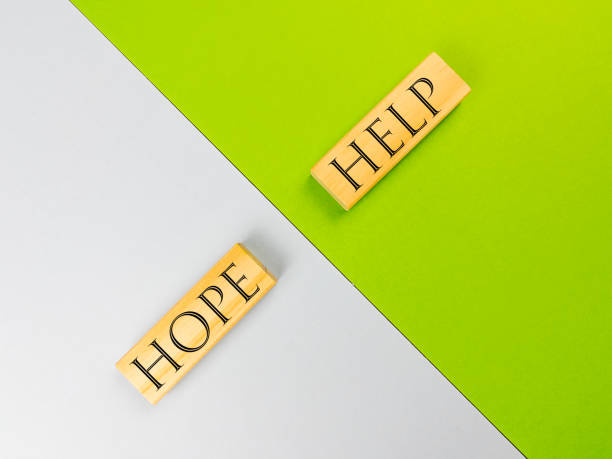
But here is a gentle secret: you are allowed to ask. You are allowed to say, “I need a break,” or “I can’t do this one thing today,” or “I feel overwhelmed, and I would love it if you could take over for an hour.” The words do not have to be perfect. They do not have to come wrapped in apologies or explanations. You can simply let them out, softly, without shame.
One of the kindest ways to communicate your needs is to start with a “I” statement that shares how you feel rather than what the other person is doing wrong. For example, instead of saying, “You never help with the bedtime routine,” you might say, “I feel really drained by the time bedtime rolls around, and I would love it if we could trade off nights.” This approach does not place blame. It simply opens a door. It invites your partner or loved one to step into your world and see the load you are carrying. Most people, when invited gently, want to help. They just might not know how.
The guilt that comes with asking, however, can be fierce. You might hear a voice inside whispering that you should be able to handle everything. That asking makes you less capable. That a good mother simply does it all. But please, let that voice soften. Every mother, no matter how capable, has limits. Your limits are not flaws. They are part of being human. When you ask for help, you are not failing. You are teaching those around you that it is okay to be interdependent. You are showing your children that people lean on each other, that love means supporting one another, and that no one has to carry the whole world alone.
It can also help to be specific when you ask. Vague requests like “I need more help around the house” can leave the other person unsure of what to do. Instead, try naming a particular task: “Could you please make the grocery list this week?” or “Would you mind handling bath time tonight so I can take ten minutes to breathe?” These small, clear asks are easier for others to say yes to, and they give you the relief you actually need.
And when someone does help, resist the urge to apologize or overexplain. A simple “thank you” is enough. You do not need to justify your need for rest. You do not need to prove that you are deserving of support. You are worthy of it simply because you are a person who gives so much, day after day.
Remember that communicating your needs without resentment is a practice, not a perfect skill. Some days you will ask beautifully and receive a warm yes. Other days, your request might be met with hesitation or forgetfulness. That is okay. You can try again, with patience and kindness toward yourself and the other person. Relationships grow when we speak honestly, even when it feels uncomfortable.
When you let go of the guilt around asking for help, you open up space for something beautiful: true partnership. Your relationships become more balanced. Your heart becomes lighter. And your daily stress, once so heavy, begins to soften. You deserve that softness. You deserve to be supported. So take a breath, and let the words come out. They are not a burden. They are a bridge.