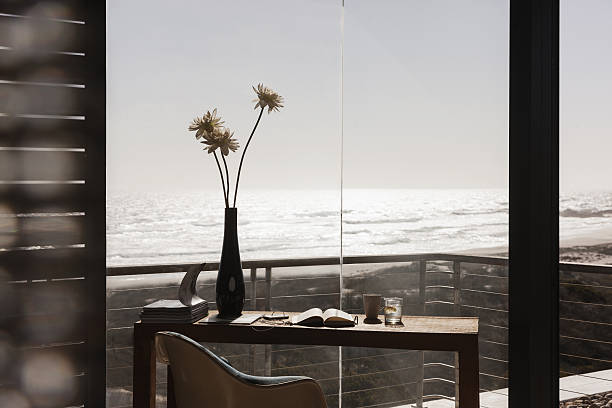
In a world that glorifies busyness, the quiet struggle to fully inhabit our own leisure is a modern paradox. The mental to-do list, that relentless scroll of obligations, has a habit of intruding precisely when we’ve carved out time for enjoyment. The question of how to stay present during fun is, at its heart, a quest to reclaim our attention and our capacity for joy. The path forward is not about forceful suppression of thoughts, but a gentle retraining of the mind through intention, environment, and sensory engagement.
The first step is a conscious act of transition. We cannot expect to leap directly from the cognitive space of productivity into one of presence. Therefore, we must create a ritual that signals to our brain that “work mode” is over and “play mode” has begun. This could be as simple as taking five deep breaths with your eyes closed, changing into different clothes, or speaking aloud a phrase like, “For the next hour, I am fully here.” This deliberate pause creates a psychological boundary, acknowledging the list exists but placing it firmly outside the gates of your current experience. It is an act of permission-giving, affirming that this time for fun is not stolen but earned and essential.
Once we have entered the space of leisure, the battle for attention moves to the senses. The to-do list thrives in the abstract, verbal realm of the mind. We counter it by anchoring ourselves firmly in the physical and sensory present. If you are at a concert, feel the vibration of the bass in your chest, notice the play of colored lights across the stage, and absorb the collective energy of the crowd. During a meal with friends, truly savor the flavors and textures of the food, listen to the timbre and emotion in your companion’s laughter, and feel the warmth of the cup in your hands. By directing your focus to what you can see, hear, touch, taste, and smell, you pull mental energy away from the internal narrative and into the rich reality of the moment. The list cannot compete with the immediacy of a sunset or the sound of genuine joy.
This practice is deeply supported by managing the primary conduit of distraction: our phones. The device is a portable portal back to the world of tasks, and a simple notification can shatter presence in an instant. To truly immerse yourself, silence notifications or, better yet, place your phone out of sight and reach. This physical act is a powerful commitment to yourself and those you are with. It declares that for this finite period, the virtual and asynchronous world must wait. The world will not crumble in an hour, and this temporary disconnection strengthens your connection to the immediate experience.
Inevitably, thoughts of unfinished tasks will arise. The key is not to engage them with frustration, but to greet them with a gentle, non-judgmental acknowledgment. Imagine the thought as a cloud passing through the sky of your mind. You can note it—“There’s a thought about the email I need to send”—and then consciously return your focus to your senses, to the person in front of you, or to the activity at hand. Each time you do this, you weaken the neural pathway of distraction and strengthen the muscle of attention. It is a practice of kindness toward your own busy mind, recognizing its habits while patiently guiding it back.
Ultimately, staying present during fun is a profound act of self-respect. It is the decision to honor your own need for restoration and joy as seriously as you honor your responsibilities. By creating transitions, engaging the senses, setting boundaries with technology, and handling intrusions with compassion, we slowly rebuild our capacity for undiluted enjoyment. We learn that presence is not a passive state we fall into, but an active one we choose, moment by moment, allowing the vibrant colors of life to finally eclipse the monochrome of the list.