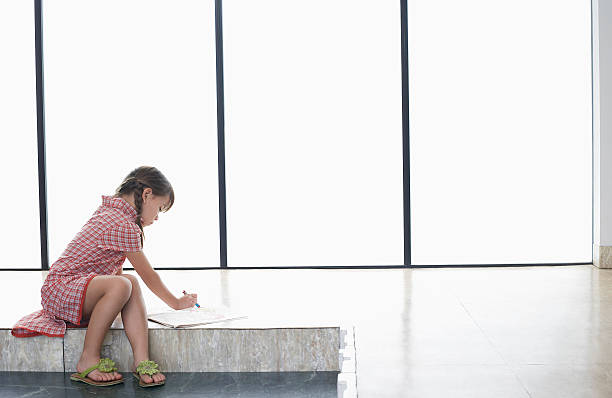


There is a quiet moment that comes every school evening, just after the backpacks hit the floor and before the dinner dishes are cleared. You stand in the kitchen, one hand on the counter, the other holding a coffee mug that has long gone cold. From the dining room table, you hear the rustle of papers, the sigh that signals your child is already overwhelmed. Your heart tightens. You want to rush over, pull out the pencil case, and guide them through every problem step by step. You want to erase the frustration before it even has a chance to bloom. And yet, somewhere deep inside, you know that running to the rescue every time may be stealing something precious from them—and from you.
The homework hour has become a battleground in many homes, a daily ritual that can leave mothers feeling exhausted, guilty, and unsure of where their role begins and ends. You might wonder if you are pushing too hard or not enough. You might replay conversations in your head, worrying that your tone was too sharp or your patience too thin. The guilt settles in like a familiar, unwelcome guest. But what if the most loving thing you could do for your child—and for yourself—was to step back just a little? What if true support looked less like hovering and more like trusting?
Letting your child own their homework does not mean abandoning them to struggle alone. It means shifting your role from manager to anchor. You are still there, nearby, warm and present. You are available for questions, for a hug, for a whispered reminder that they are capable. But you are no longer the one holding the eraser or rewriting the sentences. This small act of stepping back sends a powerful message: I believe you can figure this out. And that belief, offered gently and consistently, is often more motivating than any correction you could provide.
Of course, this transition is not easy. Your own school memories may whisper anxieties into your ear. Perhaps you recall being told you were not good at math, or you remember the shame of a forgotten assignment. Those ghosts rise up when you see your own child hesitate over a worksheet. Your impulse to protect them from that same sting is natural and deeply loving. But protecting them from every stumble also prevents them from building the resilience that only comes from working through difficulty. A child who learns to manage their own homework, with your steady presence nearby but not directing, is also learning to manage frustration, time, and their own inner critic. Those are skills that will serve them far longer than any perfect test score.
There is also the matter of your own well-being. When you take on the homework burden as your own, you carry a weight that was never meant for your shoulders. You become the enforcer, the checker, the one who feels responsible for every grade. That pressure builds over time, eroding your patience and your sense of peace. You deserve a calmer evening too. By stepping back, you reclaim your role as mother rather than homework supervisor. You can sit beside your child, not as a taskmaster, but as a quiet companion. You can knit, read, or simply breathe while they work. The energy in the room shifts from tension to trust.
This does not mean you never help. It means you help wisely. When your child asks a question, you might ask one back: “What do you think the first step is?” or “Where have you seen something like this before?” You guide them to their own answer rather than handing it over. If they are truly stuck, you offer just enough to get them unstuck, then step back again. You celebrate effort more than accuracy, saying “I saw how hard you tried on that one” rather than “You got it right.” Over time, your child internalizes that their own persistence is what matters most.
And what about the guilt that whispers you should be doing more? That guilt often stems from a mother’s deepest love—a desire to give her child every advantage. But consider that giving them the gift of self-reliance is one of the greatest advantages of all. When you let them own their homework, you are also giving them ownership over their mistakes and their successes. You are teaching them that failure is not something to fear, but a step on the path to learning. And you are modeling for them that a mother’s love is steady and unconditional, not tied to the neatness of a math paper or the number of stars on a reading log.
So tonight, when the backpack opens and the familiar tension begins to rise, take a breath. Walk over and place a hand on your child’s shoulder. Tell them you are right there if they need you. Then go sit in the corner of the couch with your own book. Let the quiet settle. Let them wrestle with their problems and find their own way through. And in that small, brave act of letting go, you might just find a little more peace for yourself.