

The constant, beautiful, and demanding rhythm of motherhood often leaves little space for a mother’s own breath. Between managing schedules, emotional needs, and the endless to-do list, stress can feel like a default setting. While the idea of self-care can sometimes seem like another expensive item to add to the list, genuine relief is often found not in spending, but in shifting perspective and reclaiming moments that cost nothing but a little intention. The most accessible tools for reducing stress are already within your environment and within you, waiting to be recognized and utilized.
One of the most powerful, and completely free, stress relievers is the simple act of conscious breathing. This is not about finding twenty minutes for meditation, though that is wonderful if possible. It is about harnessing the minute. When the toddler is melting down or the homework battle begins, pausing to take three slow, deep breaths—feeling the air fill your lungs and leave your body—can act as a circuit breaker for your nervous system. This tiny act creates a space between the stressor and your reaction, allowing you to respond from a slightly calmer place. Pair this with a practice of grounding yourself in your senses: for ten seconds, truly listen to the sounds around you, feel your feet on the floor, or notice five things you can see. This pulls you out of anxious future-tripping and into the present, where things are often more manageable.
Nature offers an unparalleled, zero-cost sanctuary. Stepping outside, even if just into your backyard or for a walk around the block, provides a profound shift. The change of scenery, the fresh air, and the natural light work wonders on a frazzled mind. There is no need for a hike in a national park; watching clouds drift by, noticing the leaves on a tree, or feeling the sun on your skin can be a form of active meditation. Encourage your children to join you in a “noticing walk,“ where you point out interesting things you see and hear. This not only benefits you but also models mindfulness for them, turning a stress-relief practice into a shared, connective experience.
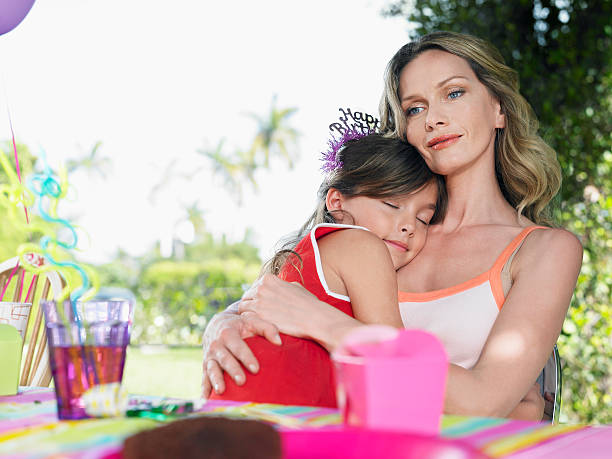
Furthermore, redefining connection can be a profound source of relief. Stress thrives in isolation, and motherhood can be lonely. Reaching out for authentic connection is free and vital. This might be a heartfelt text to a friend who “gets it,“ sharing a laugh over a relatable parenting struggle. It could be making eye contact and having a brief, real conversation with another parent at the playground. Even within your own home, seeking micro-moments of connection with your children—a six-second hug, reading one short book with full attention, or sharing something you’re grateful for at dinner—can replenish your emotional reserves. These moments remind you that you are not just a manager of tasks, but a person in a web of relationships.
Finally, practice the radical art of lowering the bar. A significant amount of maternal stress is self-inflicted by the internalized pressure to do and be everything. Giving yourself permission to do less can be liberating. The dishes can wait in the sink while you sit on the floor and play. A simple dinner of scrambled eggs is perfectly nutritious. The living room does not need to be photo-ready by bedtime. Every task you choose not to do, or to do to a “good enough” standard, is a gift of time and calm back to yourself. This mental shift, of embracing imperfection and prioritizing peace over perfection, is perhaps the most cost-effective stress-reduction strategy of all. True relief for a mother’s soul is not found in adding more, but in skillfully letting go, breathing through the moment, and finding joy in the ordinary, uncurated spaces of daily life.