

The relentless stream of permission slips, graded assignments, study guides, and project rubrics can quickly overwhelm any student or parent, transforming backpacks and kitchen counters into chaotic monuments to academic life. Dealing with the constant paper flood from school is less about achieving a mythical state of perfect organization and more about establishing simple, sustainable systems that transform chaos into control. The key lies not in fighting the tide, but in channeling it with intention.
First, one must establish an immediate and non-negotiable daily sorting ritual. This is the critical frontline defense. Each day, as soon as the backpack is opened, every single piece of paper must be handled and assigned a destination. A simple, two-tiered approach works wonders: the recycling bin and a dedicated processing station. Upwards of fifty percent of school paper—completed worksheets, old lunch menus, duplicate notices—can be recycled immediately. This act of decisive pruning is empowering and reduces the volume dramatically. The remaining papers, those requiring action or preservation, then go to a single, consistent location: a tray, a specific folder, or a section of a counter. This prevents papers from scattering like leaves across the household and creates one known place to manage the workflow.
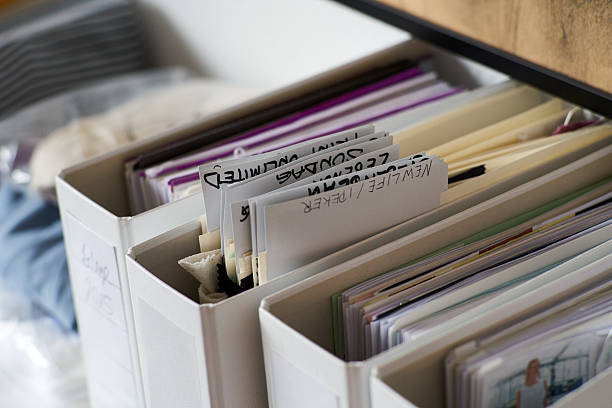
From this processing station, implement a categorization system based on the paper’s purpose. Physical tools are invaluable here. Use a set of color-coded pocket folders or a small stack of trays labeled with broad categories such as “To Sign and Return,“ “To Study,“ “To File,“ and “Active Projects.“ The act of placing a math quiz in the “To Study” folder and a field trip form in the “To Sign and Return” folder takes seconds but creates immediate order. For ongoing subjects, a simple three-ring binder with tab dividers for each class can corral notes and handouts, keeping them accessible for review. The system need not be elaborate; its strength is in its consistent use, transforming a pile of mixed messages into sorted groups of similar tasks.
Embracing digital solutions where possible can significantly reduce physical clutter. Many schools now offer digital portals for grades, announcements, and even permission forms. Make a habit of checking these platforms regularly, adding important dates directly into a shared digital family calendar. When a paper document is important for long-term reference, such as a superb essay or a cherished art project, consider digitizing it. A quick scan with a smartphone app can create a searchable digital archive, allowing you to preserve the memory without keeping the physical object. This hybrid approach acknowledges that some papers are transient, while others hold lasting value, but that value does not always require a physical footprint.
Finally, schedule a brief weekly review to maintain the system. Set aside ten minutes each week, perhaps on a Sunday evening, to empty the processing folders. Sign those permissions and return them to the backpack. File away any graded work that is no longer needed for study. Recycle any papers from completed units. This weekly reset prevents the system from becoming clogged and ensures that “active” papers remain truly current. It also provides a regular opportunity to assess upcoming deadlines and commitments, fostering proactive planning rather than reactive panic.
Ultimately, managing the school paper flood is an exercise in consistent mini-habits. It is the daily sort, the immediate categorization, the strategic use of technology, and the weekly reset that, together, build a dam against disorder. By implementing these straightforward steps, the anxiety of lost forms and cluttered spaces recedes. The paper flow becomes a manageable stream, leaving more mental energy and physical space for the actual work of learning and living, rather than just managing its aftermath.