
In the landscape of modern parenting, few dilemmas are as simultaneously charming and challenging as the influx of unsolicited gifts for our children. Whether from doting grandparents, well-meaning friends, or holiday excess, these presents can quietly undermine our parenting values, leading to a cluttered home and, more importantly, a cluttered sense of entitlement in our kids. Handling this delicate situation requires a blend of clear communication, consistent boundaries, and a proactive focus on values over materialism.
The first and most crucial step is to establish a united front and open a gentle dialogue with frequent gift-givers, typically close family. This conversation is not about criticism but about shared goals. Framing the discussion around your family’s values can make it more palatable. You might explain that you are working to teach gratitude, patience, or the joy of experiences, and that an overflow of toys can inadvertently make it harder for children to appreciate individual items. Suggesting alternatives often eases the transition; propose that instead of a physical gift, a contribution to a college fund, a special outing, or a membership to a zoo or museum would create lasting memories. For occasions, you can guide them toward specific needs or higher-quality items you’ve approved, moving the focus from quantity to thoughtful quality.
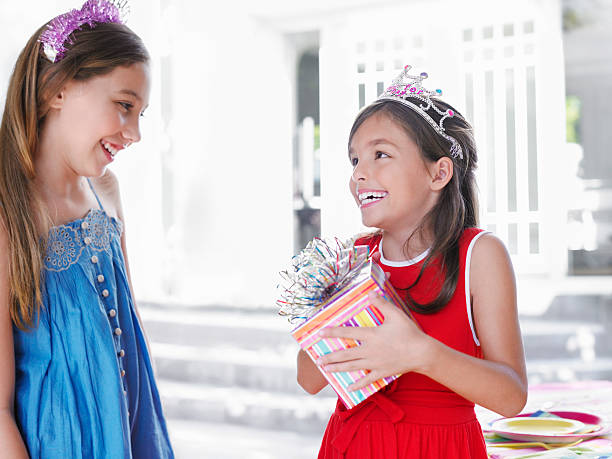
When gifts do arrive, your response in the moment sets a powerful example. Coach your child to express genuine thanks, regardless of the gift’s nature or their immediate desire. This models grace and reinforces that the act of giving is as important as the gift itself. Behind the scenes, however, you retain the right to manage the influx. It is perfectly acceptable to discreetly store, donate, or rotate items. A common and effective strategy is the “one in, one out” rule, where the child chooses a older toy to donate when a new one arrives, fostering both generosity and mindful consumption. This practice also prevents the home from becoming overwhelmed and teaches children about letting go.
The deeper challenge lies in preventing the “spoiled” mindset, which is less about the number of possessions and more about a child’s expectations and relationship with those possessions. Actively cultivate an environment where non-material rewards are celebrated. Prioritize time spent together—a hike, a board game night, baking cookies—as the most valued “currency” in your family. Encourage activities that build skills and pride, like sports, arts, or simple chores, praising effort over innate talent. When you do give gifts, involve children in charitable giving during the holidays or for birthdays, making them active participants in generosity.
Ultimately, consistency within your own four walls is your strongest tool. You cannot control every gift that enters your child’s life, but you have absolute authority over your own actions and the household culture you create. Be mindful of using gifts as emotional pacifiers or rewards for basic good behavior. Say “no” regularly and comfortably, teaching delayed gratification and the reality that desires are not always instantly met. By consciously valuing experiences, relationships, and gratitude, you build a foundation strong enough to withstand the occasional wave of plastic and plush.
Handling unsolicited gifts is, in essence, about stewardship—curating not just a physical space free from clutter, but an emotional landscape where appreciation outweighs expectation. It is a continuous, gentle process of guiding both eager gift-givers and impressionable children toward a simpler, more meaningful understanding of what it means to give and to receive. The goal is not deprivation, but richness of character, ensuring our children grow to value people and moments long after the latest toy has lost its shine.