

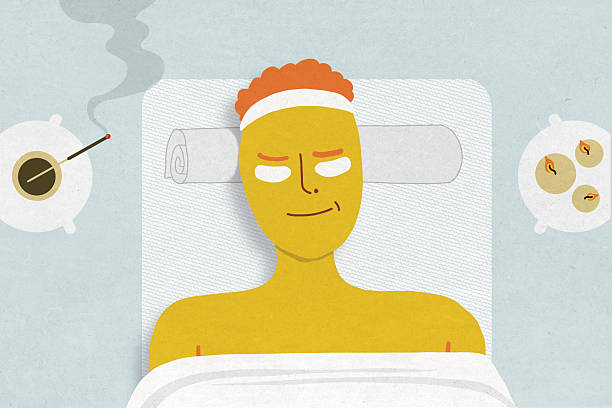
In the relentless pace of modern life, stress can feel like an unavoidable companion, eroding our peace and diminishing our well-being. Yet, the antidote often lies not in grand gestures but in the quiet consistency of simple, daily routines. By weaving small, intentional practices into the fabric of our days, we can build resilience, create pockets of calm, and significantly reduce the cumulative burden of daily stress. These routines act as anchors, steadying us amidst the chaos and fostering a sense of control and tranquility.
One of the most powerful yet underutilized routines begins the moment you wake. Instead of reaching for your phone and plunging into the demands of emails and news, grant yourself a mere five to ten minutes of quiet. This could involve sitting with a cup of tea while gazing out the window, practicing a few gentle stretches, or writing down three things you look forward to in the day ahead. This deliberate pause creates a buffer between rest and responsibility, setting a tone of mindfulness rather than reactivity. It signals to your nervous system that the day can begin with calm, not crisis.
Integrating short movement breaks throughout the day is another profoundly effective routine. Stress hormones like cortisol are designed for physical action, and when we remain sedentary while mentally agitated, those chemicals have nowhere to go. A brisk ten-minute walk around the block, some midday stretching, or even a few minutes of dancing to a favorite song can metabolize stress, release endorphins, and clear mental fog. The goal is not an intense workout but consistent, gentle motion that reminds your body it is not under siege. Pairing this with conscious breathing—inhaling deeply for a count of four, holding for four, and exhaling for six—can instantly downshift your physiological state from stressed to soothed.
The rhythm of our days also benefits greatly from designated transition rituals. The commute from work to home, for instance, can become a mental cleanse rather than a frustrating bottleneck. Use this time to listen to an engaging audiobook or a calming playlist, or simply drive in silence to decompress. Upon arriving home, a simple routine like changing out of work clothes, washing your hands, or lighting a candle can serve as a symbolic act of leaving professional pressures at the door. These rituals help compartmentalize stress, preventing it from bleeding into every aspect of life.
Furthermore, establishing a gentle, consistent evening routine is essential for stress recovery and prevention. The blue light from screens is a notorious disruptor of sleep, and poor sleep is both a cause and consequence of stress. Creating a digital sunset—powering down all devices at least an hour before bed—allows your mind to unwind. This time can be filled with reading a physical book, practicing a skincare routine, or jotting down lingering thoughts in a journal to prevent them from swirling in your head overnight. Coupled with a regular bedtime, this practice improves sleep quality, which is foundational for emotional regulation and stress tolerance.
Ultimately, the most effective routines are those practiced with consistency, not perfection. It is the daily return to these small acts of self-care—the morning pause, the mindful movement, the conscious transitions, the digital sunset—that fortifies us. They are not dramatic overhauls but subtle, repeated investments in our inner peace. Over time, these threads of routine weave a tapestry of resilience, transforming how we meet each day’s challenges and significantly reducing the weight of daily stress. By claiming these small moments, we reclaim our calm.