The feeling of having no time is a modern plague, a suffocating pressure that makes even the smallest task feel insurmountable. Your heart races, your thoughts scramble, and the to-do list mocks you from its digital or paper perch. In this moment, the most productive thing you can do is to stop. Counterintuitively, the five-minute trick that will serve you best is not a frantic attempt to chip away at the mountain but a deliberate and complete mental reset. This practice is not about adding another task; it is about creating space so you can approach everything else with clarity. The most effective method is a structured pause combining breath, environment, and intention.
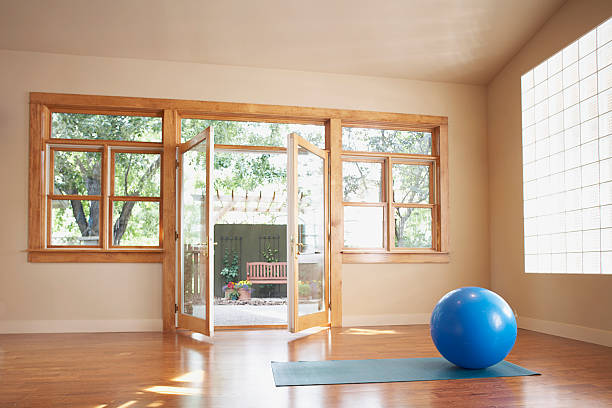
Begin by physically disengaging. If possible, step away from your primary workspace. Go to a different room, step outside, or even just turn your chair to face a blank wall. The goal is to break the visual and psychic grip of your immediate stressors. Set a timer for five minutes on your phone, and then place the phone face down or out of sight. This small act is a declaration that this time is sacred and non-negotiable. For these five minutes, the outside world and its demands are politely asked to wait.
With your timer set, close your eyes and bring your attention to your breath. Do not try to force it into an unnatural rhythm; simply observe it. Feel the cool air entering your nostrils and the warmer air leaving. Notice the rise and fall of your chest or belly. Your mind will inevitably wander back to your worries—this is normal and expected. The practice is not to empty the mind but to train it. Each time you notice your thoughts drifting to a deadline or an unanswered email, gently, without judgment, guide your focus back to the sensation of breathing. This simple act of anchoring yourself in your body pulls you out of the abstract panic of the future and into the concrete reality of the present moment, where you are, in fact, safe and breathing.
In the final minute or two of your reset, open your eyes and engage softly with your surroundings. If you are outside, notice the quality of the light, the feel of the air, a single detail in nature. If you are inside, observe an object in the room—its color, texture, and form—without assigning it any story or task. This practice, often called grounding, further roots you in the present. Then, as your timer nears its end, ask yourself one gentle question: “What is the one single next thing I need to do?” Do not ask for the ten things, or the most important life goal. Ask for the very next, manageable action. The answer will often arise with surprising clarity—send that specific email, gather the materials for the first step, take a sip of water.
When the timer sounds, you have not solved all your problems, but you have accomplished something far more foundational. You have interrupted the cycle of reactive panic. You have reclaimed a small measure of agency. By gifting yourself this brief sanctuary, you shift from a state of frantic, scattered energy to one of slightly calmer focus. The five-minute reset is a radical act of self-compassion in a culture that prizes relentless busyness. It is a tool that proves that sometimes, to gain time, you must first stop chasing it. You will return to your tasks not with more minutes, but with more mind, ready to begin again from a place of chosen purpose rather than desperate compulsion.