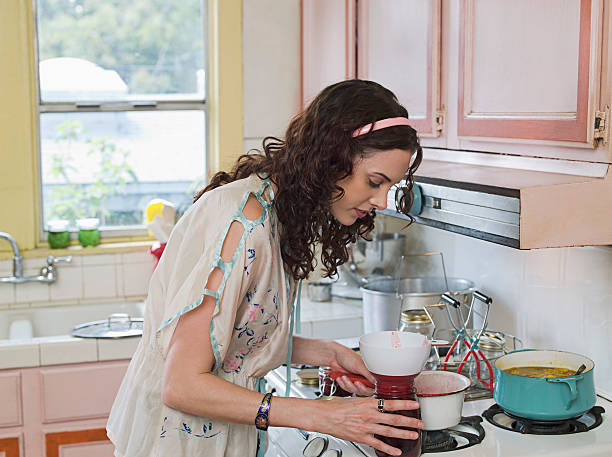
Every home has a quiet rhythm made of small tasks, repeated decisions, and the steady work of keeping daily life moving. When that rhythm rests mostly on one person’s shoulders, stress can build without anyone meaning for it to. For mothers, the household can become a second job that never clocks out. Managing responsibilities fairly is not about keeping a perfect score. It is about creating a partnership where both people feel seen, supported, and able to rest.
Start with a gentle conversation, ideally when neither of you is rushing out the door or already exhausted. Try to speak from your own experience rather than from blame. You might say, “I feel overwhelmed by how much I’m holding in my head,” or “I’d like us to look at how we share things.” This kind of opening invites teamwork. It also gives your partner a chance to understand your daily reality, which may be less visible than either of you realizes.
Much of household work is invisible. It includes remembering appointments, noticing when supplies run low, planning meals, coordinating schedules, and anticipating what everyone needs before they ask. This mental load can be heavier than the physical chores themselves. If it stays unnamed, it often stays unshared. Naming it together can be a relief. You are not asking for help with a few tasks; you are inviting your partner into the full picture of family life.
Fairness does not always mean splitting every task exactly in half. It means considering time, energy, health, work demands, and the seasons of your life. One partner may have a flexible week and can take on more. Another may be recovering from illness or a demanding project. The goal is not a rigid calculation but a felt sense that both people are contributing and both people are allowed to rest. When one person’s needs are consistently ignored, resentment grows. When both people’s needs are considered, connection has room to grow.
Perfectionism can make sharing harder. If you believe only you can fold the laundry, pack the lunches, or soothe a child the right way, your partner may step back because nothing feels good enough. Try to release the idea that there is only one correct way. Let your partner learn. Let your children help in age-appropriate ways, even if the results are messy. A child who sets napkins or matches socks is not just doing a chore; they are learning that they belong to a family where everyone contributes. Your partner is also learning how to carry responsibility without waiting to be directed.
Scorekeeping can quietly poison a partnership. If every task becomes a point in an argument, love starts to feel like a debt. Instead of tallying day by day, look at patterns over a month. Are you both getting enough sleep? Does each of you have time to breathe, move, see a friend, or simply be alone? Can either of you say “I’m running on empty” without fear? A fair system has backups. When one person is sick or stretched thin, the other steps in, not as a favor, but as part of the same team.
Gratitude matters, too. A sincere “thank you for handling dinner” or “I noticed you took care of that form” can soften the edges of a hard day. Appreciation does not replace fair division, but it keeps warmth alive. It reminds you that you are not just managing a house together; you are caring for each other. At the same time, do not use gratitude to silence your needs. If you feel angry or depleted, that feeling is information. It may be telling you that the load has become uneven, that you need more sleep, or that a deeper conversation is overdue.
Sometimes a counselor or trusted friend can help you talk through stuck patterns. There is no shame in needing support. If it is possible, paid help such as a cleaner, grocery delivery, or occasional babysitter can be a wise investment in your relationship. It is not cheating to accept help. It is protecting your energy and your partnership. If paid help is not available, trade with a friend or family member, lower your standards, and let some things wait.
Check in with each other regularly, perhaps once a month over tea or a quiet walk. Ask what is working, what is draining, and what could be simplified. Choose one small change to try. Then revisit it. Fairness is a practice, not a destination. Some weeks you give more, and some weeks you receive more. The relationship stays strong when both people feel seen, not when every task is perfectly balanced.
You deserve a home where responsibility is shared and your own needs matter. Rest is not a reward for finishing everything. It is part of a healthy life. When you care for yourself, you teach your family that everyone’s well-being counts. Be gentle with each other, repair quickly when you miss the mark, and keep returning to the same simple truth: no one should carry the household alone.