The modern pursuit of a successful career often feels synonymous with a rigid schedule, a fixed location, and the constant pressure to be perpetually “on.“ This traditional model, however, can be a significant source of daily stress, manifesting as a frantic morning commute, the struggle to manage personal appointments, and the blurred lines between work and home life. In contrast, a flexible career—one that offers autonomy over when, where, and how you work—can serve as a powerful antidote to this pervasive tension. By returning a sense of control and enabling a more harmonious integration of life’s demands, a flexible career can fundamentally reduce daily stress and enhance overall well-being.
At its core, a flexible career mitigates stress by restoring a crucial element often lost in conventional jobs: personal agency. The feeling of being trapped by a clock or a supervisor’s oversight is inherently stressful. Flexibility, whether in the form of adjusted hours, remote work options, or a results-oriented structure, hands a significant degree of control back to the individual. This means you can schedule work during your peak productivity hours, whether you are an early bird or a night owl, reducing the frustration of forcing focus when your energy is low. The simple ability to start your day without a panicked rush to beat traffic or catch a train eliminates a major daily stressor, replacing it with a calmer, more deliberate beginning. This autonomy fosters a sense of ownership and competence, which directly counteracts the helplessness that fuels anxiety.
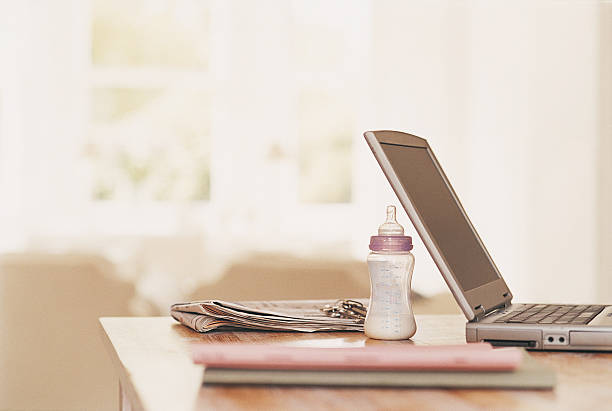
Furthermore, a flexible career dramatically reduces the cognitive load and logistical strain of juggling professional and personal responsibilities. Life is unpredictable; a child falls ill, a delivery requires a signature, or an aging parent needs assistance. In a rigid job, these necessary life events become sources of immense stress, requiring difficult negotiations and often resulting in guilt. Flexibility allows you to handle these obligations without crisis. You can attend a midday school play and make up the work later, or schedule a doctor’s appointment without consuming precious vacation time. This seamless weaving of tasks reduces the mental burden of constant compartmentalization and the fear of letting one sphere of life down for the sake of another. The resulting peace of mind, knowing you can meet all your commitments, is a profound stress reliever.
The environmental and physiological benefits of a flexible work arrangement also contribute significantly to lower daily stress levels. For many, the option to work remotely removes the physical strain of commuting, which is often a time of frustration and agitation. This reclaimed time can be redirected toward healthier activities like exercise, preparing a nutritious meal, or simply enjoying a moment of quiet—all proven stress reducers. Moreover, the ability to curate your immediate workspace, whether it’s a quiet home office or a local café, allows you to create an environment that suits your personal needs for focus and comfort, free from the potential distractions or negative social dynamics of a traditional office. This control over your physical surroundings directly influences your mental state, promoting calm and concentration.
Ultimately, a flexible career reduces daily stress by facilitating a more sustainable and human-centric rhythm of life. It acknowledges that productivity is not a function of hours logged at a desk but of the quality of work produced and the well-being of the person producing it. By dismantling the artificial barriers between “work life” and “personal life,“ it allows for a more holistic existence where professional fulfillment and personal contentment are not in perpetual conflict. The reduction in stress is not merely about convenience; it is about aligning your career with your natural rhythms and life’s inherent unpredictability. In doing so, a flexible path transforms daily work from a potential source of dread into a manageable, and even enjoyable, component of a balanced and less stressful life.