

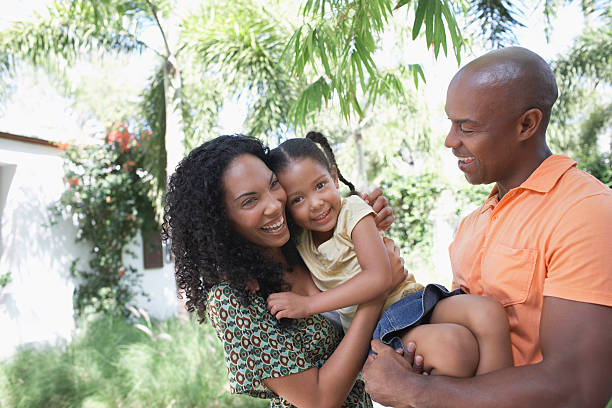
The sight of a parent lacing up their running shoes or unrolling a yoga mat often prompts a universal, hopeful question from little ones: “Can I join?“ For many adults striving to maintain a consistent fitness regimen, the immediate internal response might be a sigh, envisioning disrupted intensity and fragmented focus. However, the answer to whether your kids can be part of your routine is a resounding yes—and integrating them offers benefits that extend far beyond physical health, transforming exercise from a solitary obligation into a powerful family ritual.
Including children in your workouts requires a fundamental shift in perspective. The goal ceases to be about personal bests, calorie burn, or an uninterrupted hour of sweat. Instead, it becomes about modeling a joyful, lifelong relationship with movement. Your routine is no longer just a workout; it becomes an interactive play session, a lesson in perseverance, and a shared adventure. This might mean that a brisk three-mile run morphs into a stop-and-go exploration featuring sidewalk sprints, balance-beam walks on curbs, and impromptu stretching breaks. Your weight training incorporates little ones as cheerful, if wobbly, spotters or uses them as gentle resistance for squats and lifts, amidst fits of giggles. The emphasis is on participation, not performance, creating positive associations with being active.
The advantages of this inclusive approach are profound. For children, seeing a parent prioritize health normalizes fitness as a natural part of daily life. They learn not through lecture, but through action, that taking care of one’s body is important and enjoyable. This early exposure is crucial in an age dominated by screens, planting seeds for healthy habits that can counteract sedentary trends. Furthermore, shared physical activity strengthens family bonds. It creates a unique space for connection, free from the distractions of homework, chores, and digital devices. Encouraging words during a challenging climb at the playground or a high-five after a family dance session build confidence and foster teamwork, reinforcing that you are a unit that plays and strives together.
Successfully merging family time and fitness hinges on flexibility and creativity. Choose activities that are inherently adaptable and safe for various ages. A hike in nature is a perfect example, allowing for carrier-backpacks for toddlers, scavenger hunts for young children, and longer trails for older kids. Backyard circuits with bodyweight exercises, jump ropes, and hula hoops can be easily modified for different skill levels. Even household chores can be turned into energetic games, with music blasting as everyone tidies up with exaggerated, dance-like movements. The key is to let go of rigid expectations and embrace the unpredictable, often hilarious, reality of moving with children. Your heart rate may not always reach its target zone, but your laughter quotient certainly will.
Ultimately, making your kids part of your routine is an investment in their future and the family’s collective well-being. It teaches them that fitness is not a punishment for the body but a celebration of what it can do. It transforms “my time” into “our time,“ building memories around movement that are far more enduring than any personal record. The laundry and emails will wait; the opportunity to show your children that health is a value lived, not just spoken, is fleeting. So, the next time those eager eyes watch you prepare for your workout, open the door wide. Say yes, adjust your pace, and discover the profound joy of a routine that strengthens not just muscles, but the very heart of your family.