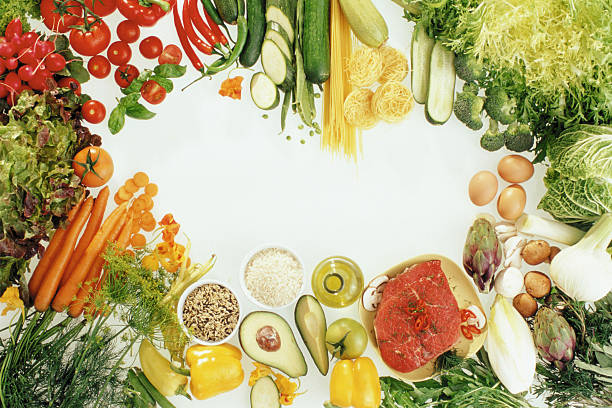
In the relentless rush of modern life, where schedules are packed and to-do lists never end, the notion of preparing and eating wholesome meals can feel like a luxury reserved for others. The common lament, “I have no time to eat well,“ is a genuine reflection of our overextended realities. Yet, the paradox is that by neglecting our nutrition, we undermine the very energy and clarity needed to manage our demanding lives. Making time to eat well when time is scarce is less about finding extra hours—an often impossible task—and more about strategically rethinking our approach to food through preparation, simplification, and a shift in mindset.
The cornerstone of eating well with no time is the concept of intentional preparation, often condensed into the idea of batch cooking. This does not require an entire Sunday spent in the kitchen, but rather a focused hour or two of strategic effort. The key is to prepare versatile building blocks. Cooking a large batch of quinoa or brown rice, roasting a tray of diverse vegetables like broccoli, sweet potatoes, and bell peppers, and grilling or baking several servings of chicken, tofu, or legumes creates a modular foundation. Throughout the week, these components can be swiftly assembled into different meals: a grain bowl with a drizzle of sauce, a quick stir-fry, or a hearty salad. This approach transforms meal creation from a daily, start-from-scratch chore into a simple act of assembly, saving precious decision-making energy and time on busy evenings.
Simultaneously, we must embrace intelligent simplification. Eating well does not necessitate elaborate recipes with twenty ingredients. A nutritious meal can be stunningly simple: canned beans mixed with pre-washed greens and a chopped avocado; scrambled eggs with spinach and whole-grain toast; or even a smoothie made with frozen fruit, greens, yogurt, and a scoop of protein powder for a meal that is literally drinkable on the commute. Keeping a pantry and freezer stocked with these reliable staples—frozen vegetables, canned fish, eggs, nuts, and whole-grain pasta—ensures that a balanced meal is never more than ten minutes away. The goal is to deconstruct the idea of a “proper meal” and recognize that nourishment can be quick, simple, and still profoundly beneficial.
Underpinning these practical strategies must be a fundamental mindset shift: viewing the time invested in eating well not as a drain on your schedule, but as a non-negotiable investment in your capacity to handle everything else. When we fuel our bodies with processed, sugary convenience foods, we often experience energy crashes, brain fog, and compromised immunity, which ultimately steals more time through reduced productivity and potential illness. Conversely, consuming balanced meals with protein, fiber, and healthy fats provides sustained energy and stabilizes mood. By framing this time as essential maintenance, much like charging a phone, we grant ourselves permission to prioritize it. This might mean literally blocking out twenty minutes on your calendar to eat a proper lunch away from your desk, or deciding that the thirty minutes spent preparing a dinner that yields leftovers is a critical appointment with your well-being.
Ultimately, navigating the challenge of eating well amidst time scarcity is an exercise in compassionate efficiency. It requires letting go of perfectionism, where every meal must be Instagram-ready, and embracing the “good enough” meal that is wholesome and prepared with foresight. By dedicating a small window of time to preparation, simplifying our nutritional expectations, and reframing mealtime as a foundational investment, we can break the cycle of frantic, poor eating. The result is not just better physical health, but the reclaiming of vitality and focus, proving that taking time to nourish ourselves is, in fact, the very practice that creates more sustainable energy for the life we are so busy leading.