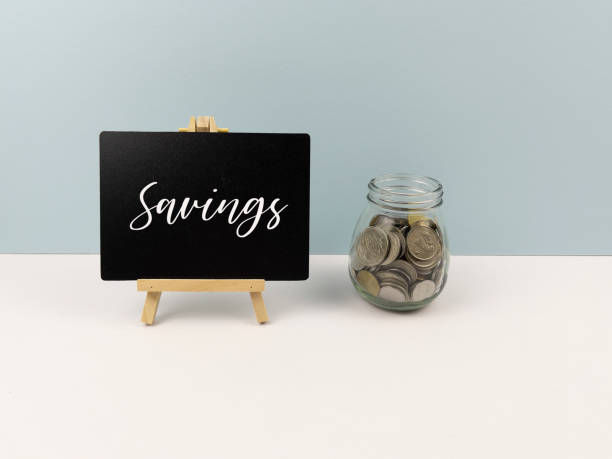
The very act of creating a savings plan is an admirable commitment to your future self. You chart the course, set the automated transfers, and feel a surge of control. Yet, for nearly everyone, life has a way of intervening. A sudden car repair, a forgotten annual subscription, or simply a month where wants temporarily eclipse needs can derail even the most meticulous plan. The critical moment, therefore, is not the stumble itself, but what happens next. Falling off track with your savings is not a failure; it is an inevitable part of the financial journey, and how you respond determines your long-term success.
The initial reaction to a savings derailment is often a potent mix of guilt and frustration. You might chastise yourself for a lack of discipline or feel overwhelmed by the perceived setback. This emotional response, while natural, is the true adversary. Allowing guilt to fester can lead to a destructive “all-or-nothing” mentality—the idea that since the plan is already broken, further spending doesn’t matter. This is the path to abandoning the plan entirely. Instead, it is essential to normalize the experience. Financial life is cyclical, not linear. Recognizing that detours are part of the process allows you to replace shame with a clear-headed, problem-solving mindset. The goal is not perfection, but consistent direction over the long term.
Once you have moved past the initial disappointment, the next step is a compassionate and honest audit. Without judgment, examine what caused the deviation. Was it a genuine, unexpected emergency? If so, this validates the very purpose of your savings—to act as a buffer against life’s uncertainties. Your plan served you, even if it meant a temporary pause in contributions. More often, the cause is a series of smaller, discretionary choices that slowly eroded your monthly goal. Identifying the trigger, whether it was dining out, impulse online purchases, or a seasonal expense you failed to anticipate, is invaluable data. This is not about blame, but about understanding your personal financial pressures and blind spots.
Armed with this understanding, you can begin the process of recalibration. A rigid plan that shatters upon first contact with reality is not a robust plan. Use this as an opportunity to rebuild a more resilient strategy. Perhaps your initial savings target was too aggressive, leaving no room for the occasional treat or life’s variability. Adjusting the monthly amount to a slightly lower, but utterly sustainable, figure is far wiser than clinging to an unrealistic target you will repeatedly miss. Furthermore, your audit may reveal the need for new financial structures. This could mean creating a separate, small “slush fund” for discretionary spending that operates alongside your core savings, or setting up calendar reminders for annual bills to prevent them from becoming budget-busters.
Finally, and most importantly, simply restart. The power of a savings plan lies less in any single month’s deposit and more in the compound effect of consistent action over years and decades. One or two missed months are a negligible blip in the grand scheme, provided you recommit. Log into your bank account and restart your automated transfer, even if it is for a symbolic amount. The psychological victory of being “back on the plan” is immense. It rebuilds momentum and reinforces your identity as someone who saves. View the lapse not as a ruinous event, but as a learning chapter within a much longer story.
Ultimately, financial wellness is not defined by an unbroken streak of perfect saving months. It is defined by resilience—the ability to navigate setbacks, learn from them, and persist. Getting off track is not a verdict on your discipline; it is a test of your adaptability. By responding with analysis instead of alarm, and with recalibration instead of resignation, you transform a temporary lapse into a lesson that strengthens your entire financial foundation. The path to your goal is rarely a straight line, but with patience and self-compassion, every step, even the missteps, can move you forward.