A supportive home environment is less about the physical structure and more about the atmosphere we cultivate within its walls. It is the invisible foundation that can either drain our energy or replenish it, a sanctuary that should nurture our well-being, foster our growth, and provide a safe harbor from the external world. Transforming a living space into such a haven is an intentional process, woven from the threads of sensory experience, emotional safety, and mindful design.
The journey begins with the principle of intentional space. A supportive home often aligns with a sense of order and clarity. This does not demand sterile minimalism, but rather a conscious curation of belongings. Regularly assessing our possessions and letting go of items that are broken, unused, or no longer bring joy can dramatically reduce visual and mental clutter. When the objects that remain are meaningful, functional, or beautiful, the space itself begins to feel lighter and more capable of supporting our daily lives. Designating specific zones for specific activities—a quiet corner for reading, a defined workspace, an uncluttered surface for shared meals—creates psychological cues that help us transition between modes of being, from rest to work to connection.
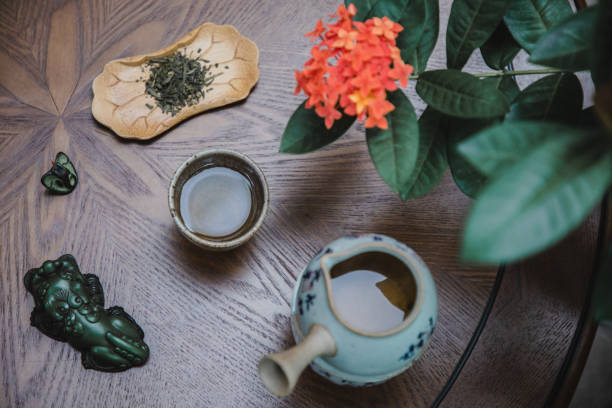
Beyond organization, the sensory quality of a home profoundly impacts our nervous system. Natural light is a powerful mood enhancer; opening curtains during the day and using warm, layered lighting in the evenings can regulate our circadian rhythms and create a calming ambiance. Similarly, attention to soundscapes can transform the feel of a home. Introducing soft textures like rugs and cushions can dampen harsh noises, while the gentle hum of an air purifier or the soft strains of music can mask disruptive sounds from outside. Even scent plays a crucial role, as familiar, comforting smells—from freshly baked bread to a favorite candle or essential oil—can instantly signal to the brain that this is a place of safety and comfort.
However, the most critical element of a supportive home is its emotional climate. This is cultivated through the practices and rhythms established by those who live there. A key practice is the creation of “soft landings”—moments and spaces designed for decompression without immediate demand. This could be a comfortable chair by a window, a policy of not discussing stressful topics right at the front door, or simply the shared understanding that it is okay to need quiet time. Fostering open communication and respecting individual needs for solitude or social interaction are the bedrocks of this emotional safety. A supportive home is one where feelings can be expressed without fear of judgment, where conflicts are addressed with respect, and where apologies and forgiveness are part of the natural landscape.
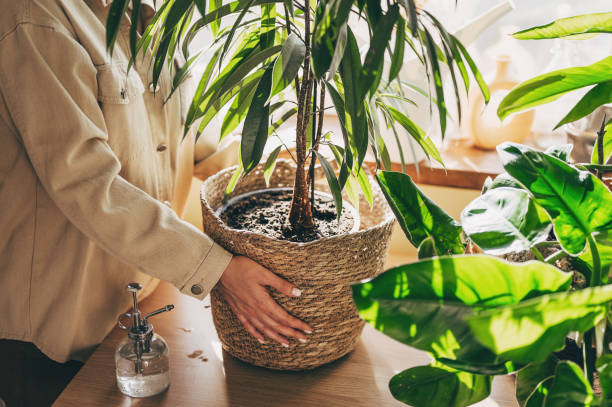
Finally, a home becomes truly supportive when it reflects and encourages the identities and growth of its inhabitants. This means displaying art, photographs, and mementos that tell your story and celebrate milestones. It means having accessible resources for hobbies, whether that is a shelf of books, a basket of knitting supplies, or a well-organized toolkit. Incorporating elements of nature, such as houseplants or a bowl of seasonal fruit, connects us to the living world and its calming, cyclical rhythms. A supportive environment also adapts; it is not a static museum but a dynamic space that evolves with the changing needs of the people within it, whether that means rearranging furniture for a new phase of life or simply clearing the kitchen counter to make room for a shared project.
Ultimately, making a home more supportive is an act of ongoing care, both for the space and for oneself and others who share it. It is the deliberate intertwining of the practical and the poetic, the tangible and the intangible. By mindfully shaping our surroundings to reduce stress, engage the senses, provide emotional refuge, and inspire our best selves, we construct more than just a house. We build a resilient foundation for our daily lives, a personal ecosystem that actively contributes to our health, happiness, and capacity to thrive in the world beyond its walls.