The constant tug-of-war between a demanding schedule and the need for personal well-being is a modern dilemma. The very idea of adding energy-boosting exercise to an already packed calendar can feel like a cruel joke, an impossible demand on depleted reserves. Yet, the paradox is that the activity we believe we have no time for is precisely what creates the vitality and mental clarity to better navigate our busy lives. The solution, therefore, lies not in finding mythical free hours but in a fundamental shift in perspective and strategy, transforming exercise from a scheduled event into an integrated component of daily existence.
The first and most crucial step is to dismantle the all-or-nothing mindset. The belief that exercise must be a sixty-minute gym session is a primary barrier. In reality, significant energy and health benefits can be reaped from short, intense, or consistent micro-workouts. Research supports that even ten-minute bouts of elevated heart rate can improve cardiovascular health, sharpen focus, and boost mood. This reframing liberates you: a workout can be a series of bodyweight squats and push-ups during a coffee break, a brisk ten-minute walk around the block between meetings, or a vigorous dance session to two favorite songs while dinner cooks. The cumulative effect of these movement snacks is substantial, both physiologically and in building a resilient habit of activity.
Integration is the next powerful tool. Instead of viewing exercise as a separate entity, weave it into the fabric of your existing obligations. This is often called “habit stacking.“ Consider your daily non-negotiables and attach movement to them. Park deliberately farther from the office entrance or grocery store. Use a bathroom on a different floor and take the stairs. If you take public transit, get off a stop early. During phone calls or virtual meetings where camera-off listening is possible, stand up and pace or do gentle calf raises. While watching your child’s sports practice, walk the perimeter of the field instead of sitting in the car. By piggybacking on established routines, exercise requires less decision-making and willpower, making it more likely to occur.
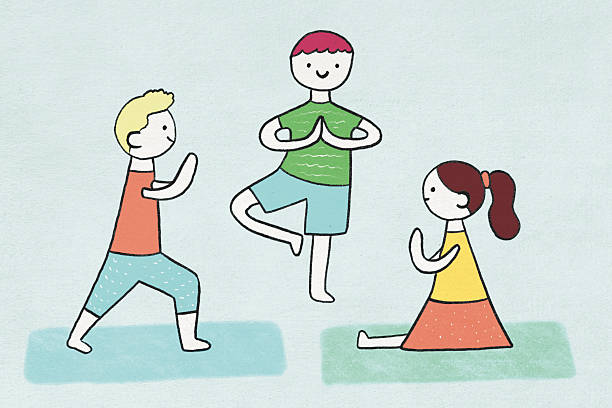
Furthermore, reassess your definition of “energy-boosting.“ While a high-intensity workout can be invigorating, for someone deeply fatigued, a gentler movement may be more restorative and ultimately more energizing. A fifteen-minute yoga flow or stretching session upon waking or before bed can enhance circulation, release muscular tension, and calm the nervous system, creating a different kind of sustainable energy. Similarly, a mindful walk in nature, where you consciously breathe fresh air and observe your surroundings, can combat mental fatigue more effectively than another cup of coffee. Listening to your body’s needs on a given day allows you to choose the most replenishing form of movement.
Ultimately, securing time for exercise in a packed schedule is an act of profound prioritization. It requires viewing these moments of movement not as selfish indulgence, but as non-negotiable maintenance for the complex system that is you—akin to charging a smartphone essential for daily operations. By letting go of perfectionistic ideals, creatively integrating micro-bursts of activity into your day, and choosing movements that truly replenish you, you stop “finding” time and start “creating” vitality within the time you already have. The energy you gain will ripple outward, enhancing your productivity, patience, and presence, making the investment in movement one that pays dividends across every other crowded hour of your life.