

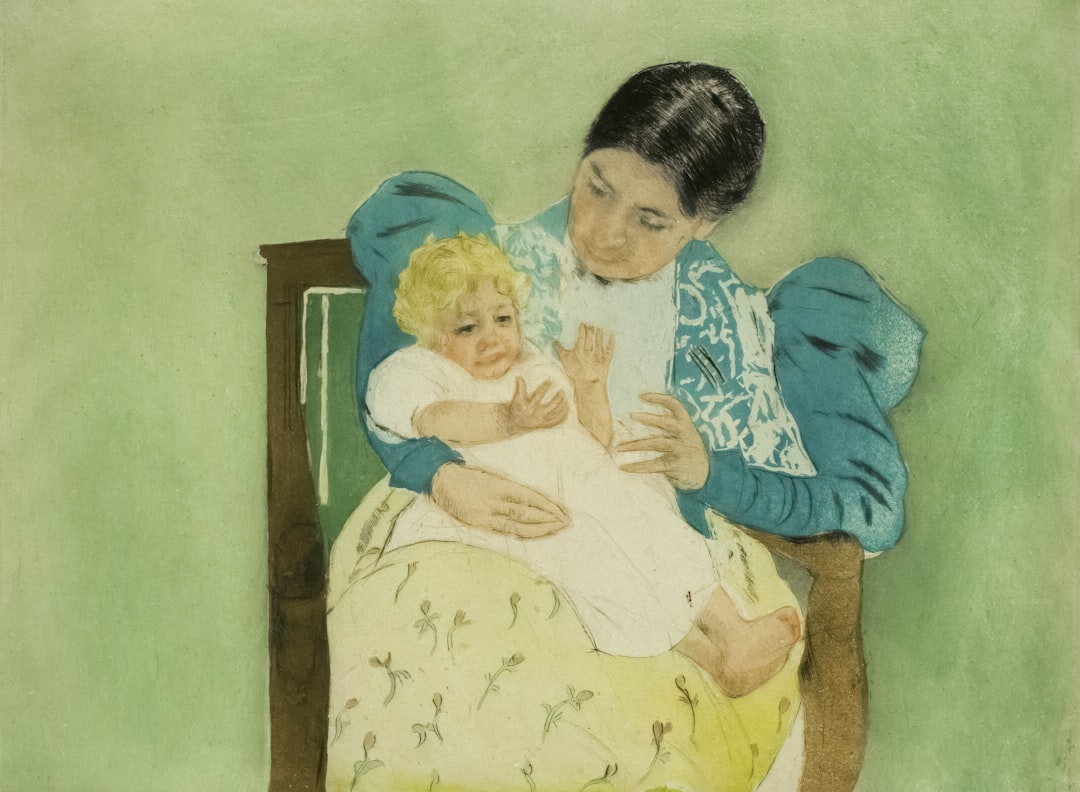
The concept of “momstress”—that unique blend of parenting, household management, and personal life pressures—is a familiar companion to many mothers. In its moderate form, it is a manageable, if exhausting, part of the daily rhythm. However, when the cumulative weight of these responsibilities begins to exceed a person’s capacity to cope, momstress can transform from a common challenge into an unmanageable state that jeopardizes well-being. Recognizing the signs of this shift is crucial, as they often manifest not as a single crisis but as a gradual erosion of mental, physical, and emotional resilience.
One of the most telling indicators is a persistent change in emotional and mental health. This moves beyond occasional frustration into a constant state of irritability, anger, or sadness that feels difficult to shake. A mother may find herself snapping at her children or partner over minor incidents, reactions that feel disproportionate and are often followed by guilt. Conversely, she may experience emotional numbness, a sense of detachment from the joys of family life that once felt fulfilling. Anxiety becomes a constant hum, fixating on potential problems or a relentless to-do list, while a sense of hopelessness—the feeling that no effort will ever be enough—begins to take root. This mental strain frequently crowds out any sense of self, making it impossible to recall personal interests or identity outside of the maternal role.
The physical manifestations of unmanageable momstress are equally significant and often dismissed as mere tiredness. It presents as chronic, unrelenting fatigue that sleep does not remedy, a body constantly operating on empty. This exhaustion can be accompanied by noticeable changes in sleep patterns itself, such as insomnia despite profound tiredness or a need to sleep excessively to escape. Appetite may fluctuate dramatically, leading to unintended weight loss or gain. The body’s stress response remains perpetually activated, which can lead to frequent headaches, muscle tension, stomach issues, or a weakened immune system resulting in one illness after another. These are not just signs of being busy; they are the body’s distress signals, pleading for a change.
Perhaps the most profound sign is the complete breakdown of personal boundaries and coping mechanisms. Self-care becomes a forgotten concept, viewed as an impossible luxury rather than a necessity. The mother abandons hobbies, friendships, and all activities that once provided renewal. Social withdrawal sets in, not for peace, but because the effort of connecting feels overwhelming or because she feels she has nothing positive to offer. Coping strategies may turn harmful, relying on excessive caffeine, emotional eating, or increased alcohol consumption just to get through the day. Furthermore, her relationships begin to bear deep scars. Constant tension with a partner, fueled by resentment and lack of communication, becomes the norm. Even the relationship with her children may become strained, defined more by frustration and disengagement than warmth and connection.
Finally, a clear sign is the overwhelming feeling that systems are failing. Daily functioning, once handled with competence, feels chaotic. Simple decisions become paralyzing. Forgetfulness and brain fog are constant, leading to missed appointments and misplaced items. The household may feel perpetually disordered, and the mental load—the invisible management of family life—becomes so heavy it feels crushing. This is the culmination of unmanageable momstress: a state where simply getting through the day requires Herculean effort, joy is scarce, and the person feels less like a thriving individual and more like a depleted resource. Recognizing these signs is not an admission of failure but the first, critical step toward seeking support, implementing change, and reclaiming a sense of balance and self from the relentless pressures of modern motherhood.