

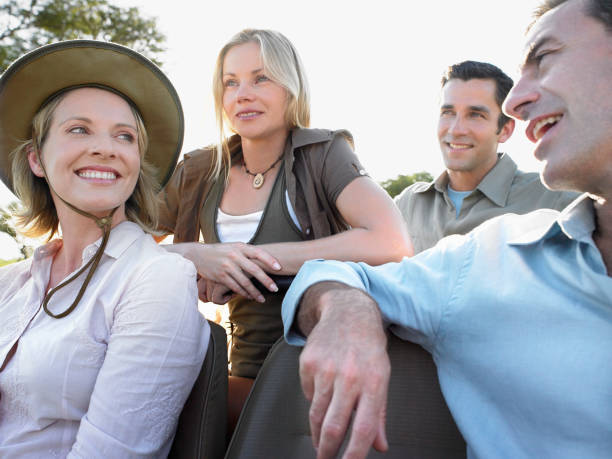
The search for a supportive community is a deeply human pursuit, rooted in our fundamental need for connection, understanding, and shared experience. In a world that can often feel isolating, finding a group where we are seen, valued, and bolstered is not merely a luxury but a cornerstone of well-being. The good news is that these communities exist in myriad forms, both physical and digital, waiting to be discovered by those who seek them. The journey to finding your tribe begins by looking inward at your passions and challenges, and then outward to the spaces where people gather around those same points of connection.
Often, the most organic communities form around shared interests and activities. Local hobby shops, art studios, recreational sports leagues, book clubs at the library, or community gardening projects are fertile ground for connection. In these spaces, the focus is initially on the activity itself—painting, playing soccer, discussing a novel—which naturally eases social interaction. Support grows from a shared language and common goal; the fellow novelist who understands the struggle of writer’s block, or the teammate who offers encouragement after a missed play, becomes part of your foundational support network. These communities provide consistency and the irreplaceable value of in-person presence, where a smile or a helping hand requires no digital intermediary.
For those navigating specific life challenges or transitions, purpose-built support groups offer profound understanding. Organizations dedicated to health conditions, grief counseling, parenting, career changes, or addiction recovery provide safe havens where vulnerability is the norm. Here, support is explicit and empathetic, derived from lived experience. Finding these groups may involve consulting healthcare providers, community center bulletin boards, or trusted national organizations that can point to local chapters. In these rooms, whether physical or virtual, you find a community that does not need your experience explained, offering a unique validation that can be profoundly healing.
The digital age has dramatically expanded the geography of community. Online forums, social media groups, and niche platforms allow people to connect over incredibly specific interests or circumstances, unbounded by zip code. From subreddits for rare book collectors to Facebook groups for expatriates in a foreign country, these digital villages provide 24/7 access to advice, encouragement, and camaraderie. For individuals with mobility constraints, rare conditions, or unconventional passions, the internet can be a lifeline to a global community that feels intimately close. The key is to move beyond passive scrolling to active participation—sharing your own story, offering support to others, and gradually building genuine connections that can sometimes blossom into offline friendships.
Ultimately, a supportive community can also be cultivated intentionally from your existing network, or even forged through acts of service. Deepening bonds with colleagues who share your professional values, initiating a regular walk with neighbors, or volunteering for a cause you care about can transform loose connections into a reliable web of support. When you volunteer, for instance, you immediately surround yourself with people who share your compassion and values, creating a natural foundation for mutual support that extends beyond the task at hand.
Therefore, the answer to where you can find a supportive community is not a single destination, but a map with many pathways. Look to the places your interests already draw you, be they physical clubs or online forums. Seek out groups designed for shared experiences, whether joyful or challenging. And do not underestimate the power of nurturing the seeds of community already present in your daily life. The supportive community you seek is likely waiting, gathered around a shared passion, a common challenge, or a collective hope. Your tribe is out there, and your first step toward them begins with the courage to engage.