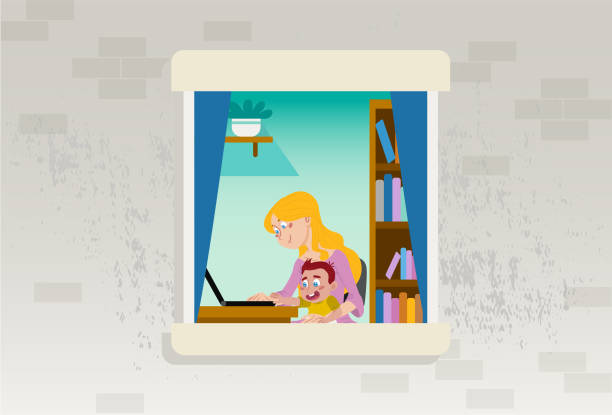


The afternoon light slants through the kitchen window, and you’ve just poured yourself a cup of tea that you hope stays warm for more than a sip. You call out that it’s time for homework, and from the other room comes the familiar groan, the shuffle of reluctant feet, or worse—complete silence. Your child has planted themselves on the floor with a book, or is staring at a blank worksheet, and every gentle suggestion you offer is met with a wall of resistance. Your heart tightens. The clock is ticking. Dinner needs to start soon. You feel the old familiar pull of frustration rising in your chest, and along with it, a whisper of guilt: If I were a better mother, this wouldn’t be happening.
Take a breath, dear mama. You are not alone. This scene plays out in homes across every neighborhood, in every season of parenthood. Homework battles are not a sign of failure on your part. They are a normal, messy part of helping a growing brain learn responsibility, time management, and the art of doing things that are not always fun. The real challenge is not getting the worksheet done by seven o’clock—it is preserving the connection between you and your child when the homework itself feels like the enemy.
When your child refuses to do homework, it is rarely about the homework. It might be about exhaustion from a long school day, a hidden struggle with a concept that feels too hard, a need for control in a day full of instructions, or simply a desire for your undivided attention without the pressure of performance. Children, especially young ones, do not always have the words to say, “I feel overwhelmed,” so they say, “I don’t want to,” or they just sit and do nothing. Your job is not to force compliance, but to become a detective of the unspoken need.
Start by lowering your own temperature. Before you say anything, take three slow breaths. Remind yourself that this moment is temporary. Your relationship with your child is far more important than any math problem or spelling list. When you approach with calm instead of urgency, you signal safety. A child who feels safe is far more likely to cooperate than one who feels cornered.
Sit down beside your child rather than standing over them. Sometimes the simple act of being at their eye level changes everything. Say softly, “It looks like this feels really hard right now. Can you tell me what part is making you want to stop?” If they cannot answer, offer a guess: “Is it that the instructions are confusing, or are you just tired?” Let them correct you. Giving them the chance to name their struggle helps them feel seen. And when a child feels seen, the resistance often softens.
If they still refuse, it is okay to create a small pause. “Let’s take a five-minute break. I’ll set a timer, and we can stretch or get a drink of water.” This is not giving in; it is giving space for the nervous system to reset. Many children need movement and a reset before they can re-engage. Use that break to connect—maybe a quick hug, a silly face, or simply asking about something unrelated to school. That small dose of warmth can refill their emotional tank.
On days when the refusal is deep and the tears come, it is wise to consider whether the homework load is appropriate for your child’s age and temperament. Some schools assign more than is developmentally reasonable. It is perfectly okay to write a note to the teacher saying, “My child needed extra rest tonight, so we completed what we could.” Advocating for your child’s well-being is not a sign of weakness; it is a form of strength that models self-care.
And please, let go of the guilt. The voice that tells you other mothers have children who sit quietly and finish their assignments without a fuss is lying. Every family has hard homework days. What matters is not that you handle every evening perfectly, but that you show up with grace—for your child and for yourself. When you apologize for losing your temper, you teach forgiveness. When you laugh together after a meltdown, you teach resilience. When you choose connection over completion, you teach love.
The homework will get done, one way or another. But the memory of a mother who stayed calm, who listened, and who chose your relationship over the to-do list will last a lifetime. You are doing beautifully, even on the nights when it feels like you are not.