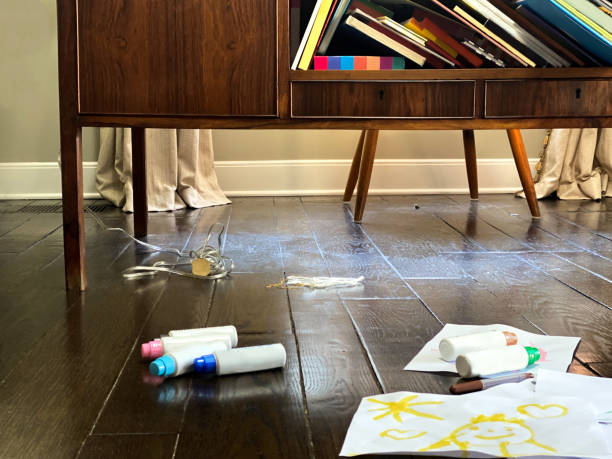
It happens in a flash. One moment you are calmly asking your child to put on their shoes for the third time, and the next moment you hear your own voice raised, sharp and unfamiliar, saying something you immediately regret. The silence that follows is heavy. Your child’s face crumples, and your heart sinks into a familiar pit of shame. You were supposed to be the calm one. You were supposed to handle this better. And now, the guilt settles in like a fog.
If this scene feels achingly familiar, please take a slow breath. You are not a bad mother. You are a human mother, and human mothers sometimes lose their way in the middle of big emotions. The real work of parenting is not about never making mistakes. It is about what happens next.
When we yell, freeze, or shut down in the midst of a conflict with our children, we are often reacting from a place of deep overwhelm. Our own nervous system is flooded. We may be carrying unspoken stress from work, from lack of sleep, from the constant mental load of managing a household. And when a child’s meltdown meets our own frayed edges, something inside us snaps. This is not a character flaw. It is a biological response to being overextended.
The most important thing you can do in the moment after a conflict is to pause. Not to punish yourself with a loop of self-criticism, but to simply stop and breathe. Place a hand over your heart. Feel your feet on the floor. Let a few seconds pass before you decide what to do next. This tiny pause creates a gap between your regret and your response. In that gap, something beautiful can happen.
You can choose repair.
Repair is one of the most powerful tools in a mother’s emotional toolkit. It does not mean pretending the conflict did not happen. It means going back to your child, kneeling down to their level, and saying something honest. You might say, “I am sorry I yelled. I was feeling frustrated, and I should have taken a breath before I spoke. I love you, and I want to do better.” This simple act teaches your child something profound. It teaches them that relationships can withstand rupture. It teaches them that mistakes are not the end of the story. It teaches them that love is not about perfection, but about showing up again and again.
Children are remarkably forgiving when we offer them authentic repair. They do not need you to be flawless. They need you to be real. When you model accountability, you give them permission to also be imperfect and to learn how to make amends in their own relationships. This is a gift that will serve them far longer than any perfectly calm morning routine ever could.
As you move through the day after a difficult moment, be gentle with yourself. The guilt you feel is a sign of your love, not your failure. It is your heart telling you that you care deeply. But guilt left unchecked can become a weight that makes it harder to show up with patience the next time. Try to offer yourself the same compassion you would offer a dear friend who confessed a similar struggle. You might say to yourself, “I am learning. I am growing. I did not handle that perfectly, but I can try again.”
It can also help to notice the patterns. Do conflicts tend to flare up at a certain time of day? Are there particular triggers, like transitions or hunger or screen time? You are not expected to solve everything, but a small awareness can help you anticipate moments of strain. Sometimes a five-minute pause for a cup of tea or a quick walk around the block can make the difference between reacting and responding.
Remember that parenting through big emotions is not about winning or losing. It is not about who is right or who is wrong. It is about staying connected even when connection feels hard. Every conflict is an invitation to practice something new. Every rupture is a chance to show your child that love is sturdy enough to hold mistakes.
You are doing holy work, mother. The work of raising humans while also trying to hold yourself together. Some days will feel like a mess. And that is okay. The mess is where the grace lives. Take a deep breath. Go find your child. Offer a hug. Start again. You are exactly the mother they need.