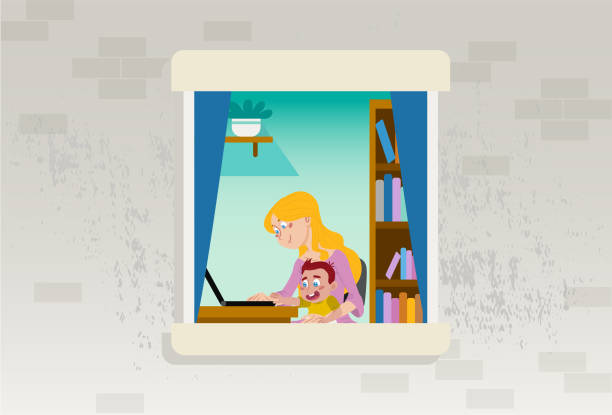
You’re stirring spaghetti sauce while helping with spelling words, and your phone buzzes with a reminder to schedule the dentist appointment you’ve already rescheduled twice. Your toddler tugs at your leg, and somewhere in the back of your mind you’re wondering if you remembered to pay the electric bill. By the time you collapse onto the couch, you feel a bone-deep exhaustion that doesn’t quite have a name. That, sweet friend, is momstress.
Momstress isn’t the kind of stress you can leave at the office or shake off with a good night’s sleep. It’s the quiet, constant hum of a mother’s mental and emotional load—the loving responsibilities that fill your day and your dreams. Unlike ordinary stress, it has no clear finish line. You are the heartbeat of your family’s rhythm, and that role never pauses, even when you are spent.
At its core, momstress is the accumulation of invisible tasks and feelings. It’s the mental browser with fifty tabs open, always tracking who needs new shoes and whether your child’s quiet mood means something more. It’s the emotional labor of staying patient after answering the same question ten times, and the ache of guilt when your patience cracks. It’s the physical tiredness of a body that is touched and needed all day, yet gets up for one more glass of water at midnight. This weight is carried in the quiet spaces of your heart.
One of the trickiest things about momstress is how easily we dismiss it. Because your love is so vast, you might tell yourself that exhaustion is just part of the deal. You might even feel that admitting the weight means you’re ungrateful. But naming momstress isn’t a complaint about your family. It’s an act of self-compassion, the first step toward realizing that a depleted mother deserves the same tenderness she gives everyone else.
Momstress can show up as a flash of anger at a tiny mess, then tears of remorse. You might forget your own appointments while reciting your kids’ schedules by heart. You might feel “touched out,” when a hug feels overwhelming. It often arrives as a quiet loneliness—missing easy adult conversation or the person you used to be. These signals aren’t failure; they’re your heart whispering that you’ve been giving from an empty cup.
What makes momstress especially heavy is that so much of it happens in your head. You are the keeper of the unwritten to-do list, the one who notices when the baby wipes are low or your partner seems a little off. This emotional noticing is a superpower, but doing it around the clock without a break drains you completely. Unlike a finished load of laundry, the mental load is invisible. It simply lives with you, asking for your attention from sunrise to sunset and beyond.
Add to this the profound identity shift. Before children, you nurtured your own interests and silence. In the thick of mothering, those pieces can feel buried. This isn’t a sign you’re doing it wrong; it’s a sign you’re navigating one of the deepest human transformations. Momstress often grows in that soil, and acknowledging it is a vital part of healing.
The hopeful news: momstress isn’t permanent. Simply naming it can loosen its grip. This site is a soft place to land, where we explore gentle ways to ease the hum—not by adding to your plate, but by reclaiming tiny moments of rest and caring for your own heart.
Managing momstress might look like setting a five-minute boundary to simply breathe in the bathroom. It might mean finding one friend you can be utterly real with. It could be the tiny habit of holding a warm cup of tea with two hands and letting your shoulders drop. These small gestures don’t fix everything, but they gently remind your nervous system that you are safe and worthy of care.
So take a soft breath. The tasks can wait. You are allowed to set down the weight and fill your own cup. Recognizing momstress isn’t weakness; it’s awakening to your own need for tenderness. Together, we’ll walk toward lighter days, one kind step at a time.