There is a moment every mother knows well. It arrives without warning, often at the worst possible time. You have just poured your last bit of energy into getting everyone out the door, only to realize that one child has lost a shoe, the other is crying because their toast was cut into squares instead of triangles, and you yourself are still wearing your slippers. In that instant, the pressure builds behind your eyes and your jaw clenches. You can feel the stress rising like a wave, ready to crash over everything. But what if, instead of letting that wave swallow you, you could step back and see the absurdity swimming in it? What if you could laugh?
Using humor to diffuse stressful situations is not about pretending everything is fine when it is not. It is not about dismissing your exhaustion or the very real challenges of motherhood. It is about giving yourself permission to step outside the chaos for just a moment and see the comedy that often lives right next to the crisis. Humor is a tiny revolution, a quiet act of resistance against the heaviness that can settle into a mother’s heart. It does not solve the lost shoe or the triangular toast debate, but it changes the air. It reminds you that you are still connected to joy, even when the morning feels like a disaster.
Think about the times when you have found yourself laughing with another mother over the sheer ridiculousness of a situation. Perhaps your toddler decided to dump an entire box of cereal on the floor while you were on an important phone call. Maybe you walked into the bathroom to find your preschooler has given themselves a haircut with safety scissors. In those moments, you have two choices. You can cry, scream, or collapse into a heap of frustration. Or you can let a laugh escape, even if it is a little wild around the edges. That laugh is a lifeline. It breaks the tension and sends a signal to your brain that you are still in control, that you are choosing not to let this moment define your entire day.
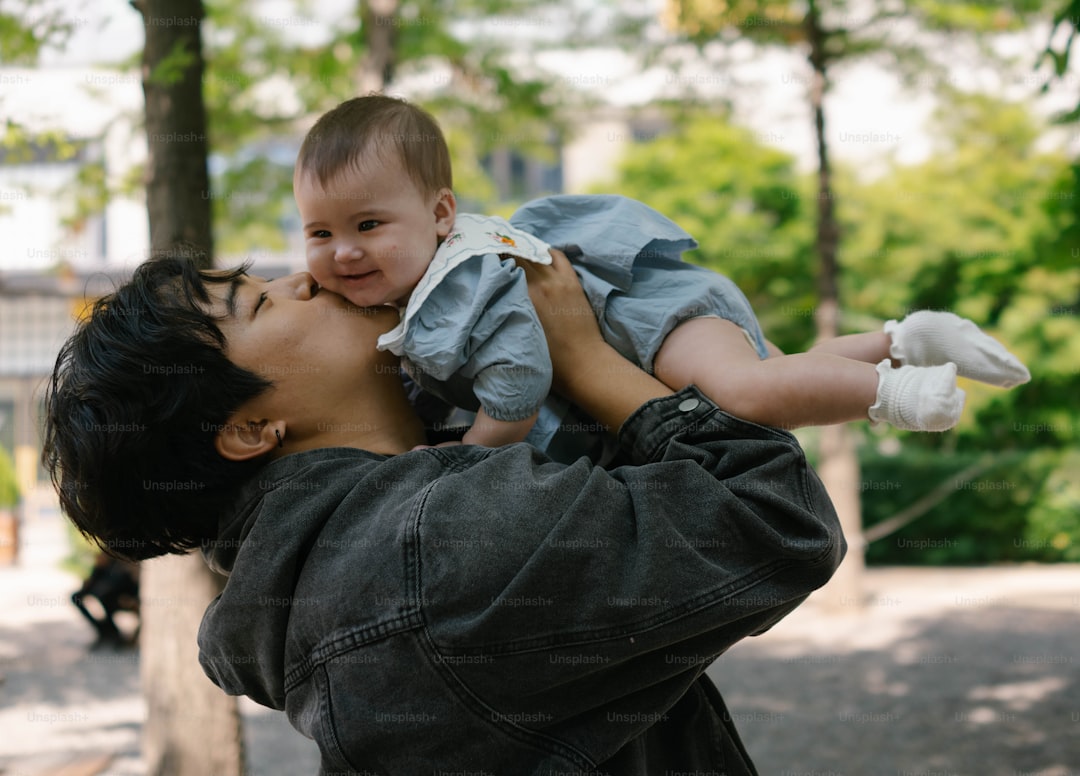
The beauty of humor is that it does not require a grand joke or a perfect punchline. It can be as simple as putting on a silly voice while you clean up the cereal, or making exaggerated monster faces while you wrestle the toddler into their car seat. Your children will likely join in, and suddenly the stressful moment becomes a shared, silly memory instead of a scar on your patience. This is not about ignoring your own needs. It is about weaving a little lightness into the heavy fabric of daily life. When you laugh with your children, you are teaching them something profound. You are showing them that stress does not have to win. You are modeling resilience in its most human, accessible form.
Of course, there are days when laughter feels impossible. When you are overtired, overwhelmed, and the tears are already on the edge. On those days, humor may feel like a betrayal of your own pain. But consider this: humor is not a denial of your feelings. It is a way to hold them gently. You can acknowledge that you are exhausted and still find a tiny, absurd detail to smile at. Maybe it is the way your toddler has put their pants on backward for the third time this week. Maybe it is the cat sitting in the middle of the laundry you just folded. That small smile is a crack in the dark, and through it, a little light can enter.
Research even backs this up. When we laugh, our bodies release endorphins, those natural feel-good chemicals. Our muscles relax, our heart rate slows, and we literally change our physical response to stress. So using humor is not just a nice idea. It is a biological tool that can help you regulate your own nervous system in the middle of a storm. And when you are calm, you can think more clearly and handle the situation with more grace.
But perhaps the most important gift of humor is that it brings you back to yourself. In the blur of motherhood, it is easy to lose sight of the person you were before the endless list of responsibilities. You were a woman who laughed freely, who found joy in silly things, who did not take herself too seriously. That woman is still there. She is waiting for you to call her out again. When you let yourself laugh at the mess, at the noise, at the sheer abundance of chaos that comes with raising little humans, you are reclaiming a part of yourself that stress tried to steal.
So the next time you feel the wave rising, take a breath. Look around. Find the ridiculous detail that your tired eyes might have missed. Let a laugh bubble up, even if it is small. It is not a betrayal of your struggle. It is a declaration that you are stronger than the stress. It is a gift you give yourself, and a gift you pass on to your children. Because in the end, the memory they will carry is not of the lost shoe or the wrong-shaped toast. It is of a mother who knew how to laugh, even when life was messy. And that memory will teach them how to do the same.