There is a particular kind of exhaustion that settles deep in a mother’s bones at the end of a long day. It is not just from the chaos of meals and school runs and bedtime battles. It is from the weight of trying to do everything exactly right. You have likely read the articles, heard the advice, and perhaps even scrolled through social media feeds filled with mothers who seem to have it all together. The pressure to be a perfect parent—calm, creative, endlessly patient—can become a heavy companion. But what if the path to lowering that daily stress is not about doing more, but about learning to let go?
Letting go as a mother does not mean giving up or neglecting your children. It means releasing the iron grip on an idealized version of parenting that was never meant to exist. Each family is a unique ecosystem, and your home has its own rhythm, its own quirks, and its own kind of beauty. The question is not whether you are measuring up to some external standard, but whether you can feel peace in the ordinary, imperfect moments that make up your life with your children.
Think about your morning routine. Perhaps you envision a quiet breakfast with a neatly packed lunch and a calm goodbye. But reality often looks different: spilled milk, a lost shoe, a tantrum over which socks to wear. In those moments, your stress level can spike because the picture in your head does not match what is happening. The gentle wisdom of letting go asks you to set the picture aside. Instead of fighting the mess, you can take a breath and acknowledge that mornings are simply messy. That is okay. You are not failing; you are living.
Guilt often arrives when we feel we have fallen short. You might feel guilty for losing your temper, for saying no to an extra activity, or for needing time alone. But guilt, when examined closely, is often a sign that you care deeply. It is not a signal that you have done something wrong. It can be reframed as a compass pointing toward what matters most to you. Instead of letting guilt spiral into shame, you can greet it with tenderness. You can say to yourself, “I feel guilty because I wanted to be more patient. That shows I value kindness. Let me try again tomorrow.”
Finding your unique parenting philosophy means recognizing that you do not have to follow one rigid school of thought. You can borrow from gentle parenting, attachment parenting, or even old-fashioned common sense. The key is to listen to your own intuition. You know your child better than any expert. You know the tone of voice that soothes them, the bedtime story that makes them smile, the boundary they secretly need. That inner knowing is your most reliable guide. Trusting it takes practice because the world is full of loud opinions. But every time you choose your own judgment over someone else’s advice, you are building a foundation of confidence.
Letting go also means releasing the need for constant control. Children are not projects to be perfected. They are wild, unpredictable little humans who will teach you as much as you teach them. When you let go of the illusion that you can shape every outcome, you free yourself to enjoy the journey. A messy craft project becomes a memory of laughter. A skipped nap becomes an afternoon of cuddles and a movie. A failed recipe becomes a lesson in resilience. These are the moments that build connection, not perfection.
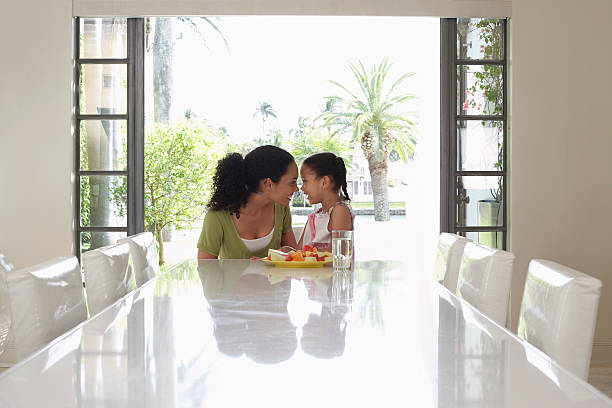
Finally, remember that letting go extends to how you treat yourself. You are not a machine that runs on coffee and guilt. You are a human being who needs rest, grace, and small pleasures. Maybe that means saying no to an obligation so you can read a book. Maybe it means letting the laundry sit while you sit in the sun with your child. These choices are not selfish. They are acts of survival and sanity. When you give yourself permission to be imperfect, you give your children permission to be imperfect too. And that is a gift that will echo through their lives.
So on the hard days, when the stress feels heavy, whisper this to yourself: I do not have to be a perfect mother. I just have to be my children’s mother, learning and growing alongside them. That is enough. That is beautiful. Let go of the rest.