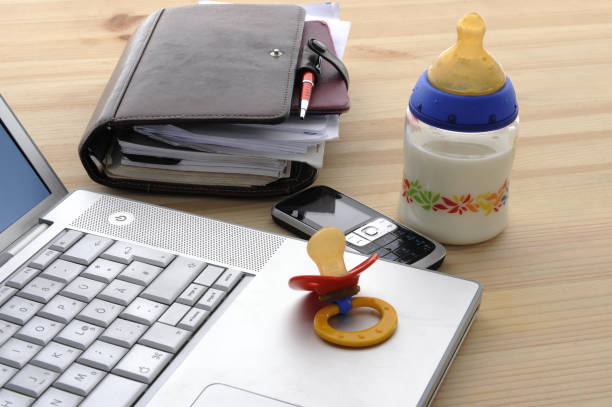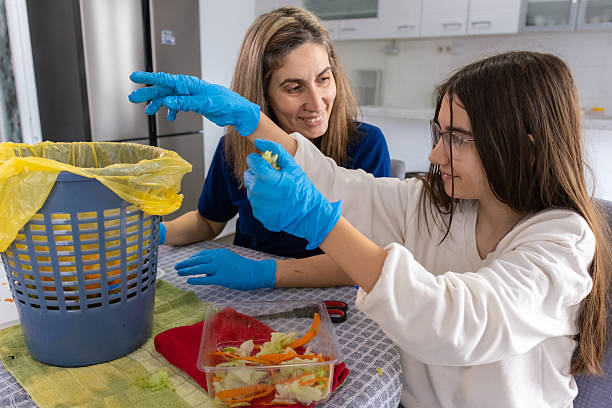
There is a certain tiredness that settles in around four o’clock in the afternoon, when the day has already asked so much of you and dinner is still a question mark hovering in the air. For many mothers, that question mark carries a heavy weight, not just of time and energy, but of money. Every trip to the grocery store feels like a small negotiation with the family budget, and every meal that doesn’t come together means another tempting order for takeout, another small leak in the financial dam. But what if you could give yourself permission to cook less and still feed your family well? What if the answer to saving money on groceries was not in doing more, but in doing things a little differently, with more intention and less strain on your heart?
There is a beautiful, time-honored practice that many grandmothers knew well, and it is worth rediscovering: cooking once and eating twice. It does not mean feeding your family the same exact meal over and over until everyone groans at the sight of leftovers. Rather, it is about seeing the food you prepare as a gentle resource that can stretch, transform, and support you through several busy days. When you roast a whole chicken on a Sunday afternoon, you are not just making one dinner. You are creating the beginning of a warm soup, the filling for a comforting sandwich, or the protein for a quick stir-fry on a hectic Tuesday. The same loving effort that went into that one meal can quietly multiply, giving you permission to rest on days when you simply cannot face another chopping board.
The trick is not to think of it as extra work, but as a gentle act of kindness toward your future self. When you cook a large pot of brown rice or quinoa, you are not just creating a side dish. You are making the bed for tomorrow’s breakfast, when you can warm it with a splash of milk and a sprinkle of cinnamon. You are making the base for a lunchtime bowl with whatever vegetables are lingering in the fridge. You are giving yourself the gift of a full pantry, and a full pantry is a powerful shield against the stress of last-minute spending. The moment you realize you already have something cooked and ready to be turned into another meal, you feel a small wave of relief wash over you. That is the quiet strength of cooking once and eating twice.
For mothers who are juggling everything, the idea of planning an entire week of meals can feel overwhelming. But you do not need a perfect schedule or a color-coded chart. You simply need to choose one or two meals each week that are naturally abundant, meals that welcome being stretched. Soups, stews, casseroles, and slow-cooker dishes are wonderful companions in this journey. They ask very little of you, and they give generously in return. Perhaps one evening you make a simple lentil stew, and the next day you spoon it over a baked potato or fold it into a warm tortilla with a little cheese. No one has to feel like they are eating leftovers. They are simply eating a second chapter of the same lovely story.
Another gentle way to embrace this practice is to let your freezer become your friend. When you do cook, make enough to freeze a portion for a week when you are running low on energy or money. That frozen container is like a letter from a kinder version of yourself, waiting to be opened on a day when you need a little extra support. It means that a rushed evening does not have to end in an expensive delivery order. It means that your budget is protected by your own foresight and care. And there is something deeply soothing about knowing that your family’s next meal is not a mystery to solve, but a simple warmth to share.
Letting go of perfection is part of this too. You do not have to create elaborate dishes or use every single ingredient in a beautiful way. The goal is not to impress anyone. The goal is to nourish your family and your finances without sacrificing your peace. If you make a big batch of pasta sauce on Monday, and on Wednesday you mix it with some cooked beans and call it a sauce for a different shape of pasta, you are doing something wise. You are saving money, yes, but you are also saving your own mental energy. You are teaching your children, by example, that thrift is not deprivation. It is resourcefulness, and resourcefulness is a form of love.
So if the pressure of planning dinner for another evening weighs on you, take a deep breath. Remember that you do not have to start from scratch every single time. You do not have to buy expensive convenience foods or make frantic trips to the market. You can simply look at what you already have, trust your ability to repurpose it, and allow yourself to cook less while caring more. In that simple shift, you will find both relief in your pocketbook and a quiet, steady calm in your day. And that, dear mother, is worth more than any perfectly planned menu could ever be.