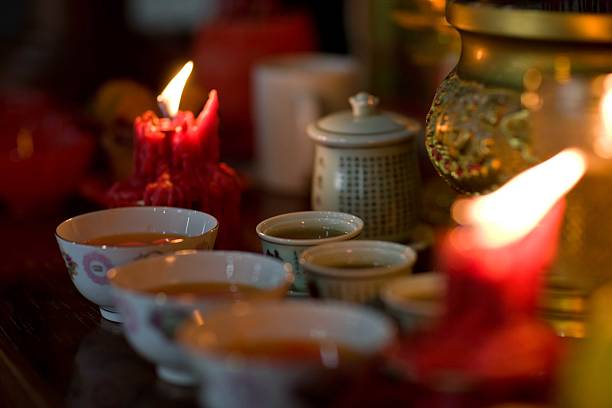
There is something almost sacred about the moment you pour hot water over a tea bag, or steep loose leaves in a favorite ceramic mug. For a mother, that single minute can feel like an eternity of peace, a tiny island of calm in a sea of demands. It is not just about hydration or caffeine. It is a ritual of stopping, of breathing, of telling yourself that you matter enough for this one small, deliberate act.
Think of the last time you made tea. Perhaps the baby had just fallen asleep after a long, fussy nap. Perhaps the school pickup was still twenty minutes away, and for a fleeting window, the house was quiet. You filled the kettle, pressed the switch, and waited. The soft hum of the water heating, the familiar rattle of the mug as you set it on the counter. In that waiting, something shifted. Your shoulders, held tight with a thousand small worries, began to drop. Your breath, shallow and quick from the morning rush, deepened. You were not yet sipping. You were already receiving.
These micro-moments of pleasure are not indulgences. They are small, quiet permissions we give ourselves to exist outside of our roles. For a mother, especially one who carries the weight of everyone’s needs, the idea of self-care can feel like just one more chore. Another item on a list you will never finish. But a cup of tea asks nothing of you. It does not require a sitter, a budget, a reservation, or an hour of free time. It asks only for hot water, a few minutes, and the grace to let yourself be still.
The trick is to make it a ritual, not a routine. A routine is something you do on autopilot, rushing through it to reach the next task. A ritual is something you honor. When you make your tea, do it with presence. Choose a mug that feels good in your hands, one that makes you smile. Perhaps it has a chip on the rim from years of use, or a silly saying that your child painted on it. That imperfection is part of its beauty. Fill the kettle with fresh water, and as it heats, take a moment to watch the steam. Listen to the sound. Let the water be the only thing that demands your attention.
When you pour, watch the water darken as the tea steeps. This is your moment. The world can wait. The laundry can wait. The emails, the homework, the dinner plans, the endless mental list of things to remember—all of it can wait for the three minutes it takes for a cup of tea to brew. Breathe in the scent. Lavender chamomile for evening calm, a bright citrus green for a midday lift, a simple black tea for the comfort of tradition. Let the warmth seep into your palms as you hold the mug. Do not drink it yet. Just hold it.
Many mothers feel a pang of guilt in this stillness. A voice whispers that you should be doing something productive. You should be cleaning the kitchen, folding the socks, returning that call. That voice is loud, and it is tired. It has been running the household for too long. But here is the truth: taking these three minutes to be still is not laziness. It is maintenance. It is a small, daily recalibration of your nervous system. It tells your body that you are safe, that you are not in a fight, that you can let go of the tension for just a little while.
And when you finally take that first sip, let it be slow. Let it coat your tongue and warm your chest. Notice the sensation. This is not a race. This is pleasure. It is the pleasure of simplicity, of a moment that belongs entirely to you. No one else can drink that tea for you. No one else can feel that warmth. It is yours, and you have earned it a thousand times over.
When the cup is empty, set it down. The ritual is complete. You have given yourself a gift. You have remembered that you are not only a mother, but a person with senses, with needs, with a right to quiet beauty. Carry that warmth with you into the next hour. The chaos will return. It always does. But you will be a little softer, a little more grounded, a little more ready to meet it with grace.