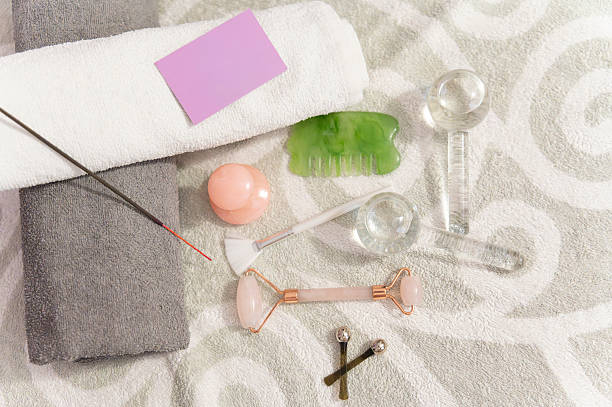
In the relentless rhythm of modern life, where schedules overflow and to-do lists never end, the concept of self-care can feel like another burdensome obligation. We envision spa days, hour-long meditations, or elaborate workouts—luxuries that seem incompatible with a packed calendar. Yet, true self-care is not found in grand, occasional gestures but in the subtle, intentional moments woven into the fabric of our daily existence. These tiny rituals are not about adding more time but about transforming the time we already have, creating pockets of peace and restoration that fortify us from within.
The foundation of this approach begins with a single, conscious breath. Before reacting to a new email, answering a call, or stepping into a meeting, pause to take one deep, deliberate inhalation followed by a slow, complete exhalation. This tiny act, taking mere seconds, acts as an anchor, pulling you out of the autopilot of stress and into the present moment. It signals to your nervous system that you are safe, creating a small but powerful buffer against the tide of demands. This ritual of the breath can be seamlessly integrated countless times a day—at a red light, waiting for the kettle to boil, or before speaking in a conversation.
Similarly, we can transform mundane transitions into rituals of reset. The simple act of drinking water, often done mindlessly, can become a practice of hydration and awareness. Instead of gulping from a bottle at your desk, take a moment to feel the coolness of the glass, notice the water’s journey as you sip, and set an intention for the next hour. This tiny practice nourishes the body and creates a mindful pause. Likewise, the short walk from your car to the office or between meetings can be converted into a sensory experience. Leave your phone in your pocket, feel the connection of your feet to the ground, and notice three details in your environment—the color of the sky, the texture of a building, the sound of distant birds. This practice of sensory grounding pulls you out of mental clutter and into the physical world.
Creating micro-boundaries is another profound yet simple ritual. This can be as straightforward as closing your eyes for sixty seconds after completing a difficult task, allowing your mind to process and release before moving on. It might involve listening to one beloved song without multitasking, letting the music wash over you and temporarily transport you. Even the act of straightening your posture at your desk, rolling your shoulders back, and stretching your arms overhead is a tiny reclamation of your physical space and well-being, counteracting the hunched posture of stress.
Finally, cultivate a ritual of gentle closure. The last few minutes of your workday are a potent opportunity. Rather than shutting your laptop in a frenzy, take three minutes to jot down three things you accomplished, however small, and one priority for tomorrow. This simple act contains the workday, preventing it from spilling endlessly into your personal time. It creates psychological finality, allowing your mind to transition more fully into the evening. As you prepare for sleep, a similar ritual can be to place a hand over your heart for a moment, acknowledging the efforts of the day with a silent word of gratitude or kindness to yourself.
These tiny rituals are deceptively simple, yet their cumulative effect is profound. They are not about escaping a busy life but about inhabiting it more fully, with greater resilience and presence. By claiming these micro-moments—a conscious breath, a mindful sip, a sensory walk, a gentle boundary—we build an inner sanctuary that travels with us. We learn that self-care is not a destination to be reached in some distant, peaceful future, but a manner of traveling through the beautiful, chaotic reality of our present days. It is in these small, consistent acts of kindness to ourselves that we find the strength to meet the world with openness and grace.