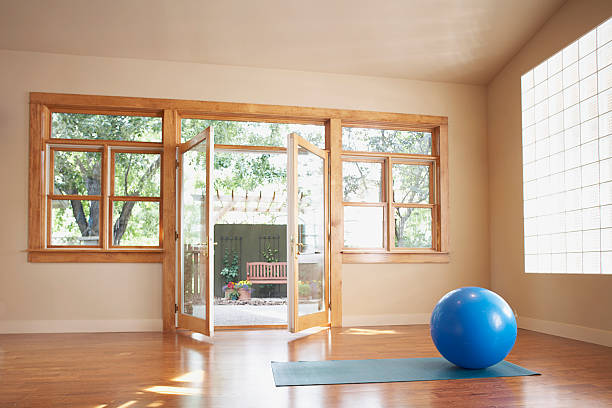


In the relentless rhythm of motherhood, where the soundtrack is a blend of demands, notifications, and the beautiful chaos of family life, the concept of quiet can feel like a fantasy. It is not. It is a fundamental requirement for your physical and mental health, as crucial as hydration or sleep. Making space for stillness is not a luxury for the privileged few; it is a practical, no-nonsense strategy for sustainability. You cannot pour from an empty cup, and constant noise and motion ensure that cup stays dry.
The science is clear and straightforward. Chronic stress, the kind that comes from perpetual motion and sensory overload, floods your body with hormones like cortisol. This state, if unaddressed, wears down your immune system, disrupts your sleep, clouds your thinking, and depletes your patience. It makes you reactive instead of responsive. Finding quiet is the direct countermeasure. It is the signal to your nervous system that the emergency is over, allowing your heart rate to slow, your muscles to relax, and your mind to clear. This is not spiritual jargon; it is basic human maintenance. A quiet mind is not an idle mind; it is a mind that can finally process, prioritize, and regain a sense of control.
The greatest obstacle is the belief that you need a grand, hour-long retreat to achieve this. That thinking guarantees failure. The goal is to find and fiercely protect micro-moments of stillness woven directly into the fabric of your existing day. It is about quality, not just quantity. This requires a shift in mindset: viewing these moments not as stolen time, but as essential appointments for your well-being, as non-negotiable as a doctor’s visit.
Start by auditing your daily routine with a ruthless eye. Where are the pockets of wasted noise? The five minutes scrolling on your phone while waiting in the school pickup line? The background television humming in an empty room? These are your opportunities. Commit to just one. In that five-minute wait, put the phone in your bag. Simply sit. Look out the window. Breathe deeply and feel the seat beneath you. Notice the tension in your shoulders and consciously release it. Your mind will race to the shopping list or the unfinished work—acknowledge the thought and gently return your focus to your breath or a single observation in the moment. This is the practice. It is mental reps, like lifting a weight for your focus.
Expand from there. Could you wake ten minutes earlier to sit with your coffee in the silent kitchen before the day erupts? Could you close the bathroom door for a two-minute breather, just to be alone with your own face? A quiet moment can be found in the deliberate focus on a simple task: feeling the warm water on your hands while washing dishes, paying full attention to the scent of your child’s hair during a hug, or truly tasting your food during a meal instead of planning the next one. The activity is secondary; the primary act is the intentional withdrawal of your attention from the frantic narrative in your head and anchoring it in the immediate, quiet sensation of the present.
This practice builds resilience. It creates a tiny buffer between a stressor and your reaction. It is the pause before the deep breath instead of the sharp yell. By regularly returning to stillness, you reinforce to yourself that you are more than just the executor of tasks; you are a person who exists separately from the demands, entitled to your own inner space. Protecting that space is the most direct form of self-respect. It is the bedrock of managing daily stress in a healthy way. Start small, be consistent, and defend your quiet moments. Your health, and your family, will feel the difference.