You know that sinking feeling. It arrives without warning, perhaps as you scroll through a friend’s social media post of her toddler eating a perfectly arranged plate of vegetables, or as you overhear another mother at the park describing her nightly homemade playdough sessions. A small voice inside whispers that you are not doing enough, not being enough, and that somewhere, somehow, other mothers have cracked a code that you have missed. This is the quiet, heavy weight of comparison, and it is one of the most persistent companions on the journey of motherhood.
The myth of the perfect mother is a story we have been told for generations, but it has never been true. It is a mirage built from the happiest moments of other women’s lives, edited and curated, often by the mothers themselves who are just as tired and uncertain as you are. When you measure your everyday reality against someone else’s highlight reel, you are not comparing yourself to a real person. You are comparing yourself to a carefully crafted image. Your own life, with its tantrums in the grocery store, its forgotten permission slips, and its days where dinner is cereal and a prayer, feels lacking only because you are seeing the wrong yardstick.
The truth is that no mother arrives fully formed. Every single woman you admire has her own collection of moments she wishes she could do over, her own days of wondering if she is getting it all wrong. The mother who seems effortlessly patient may have cried in the bathroom ten minutes before you saw her. The one whose children are always organized may have fought a silent battle to get out the door. When you compare your insides to her outsides, you are being deeply unfair to yourself. You are asking yourself to compete with a ghost.
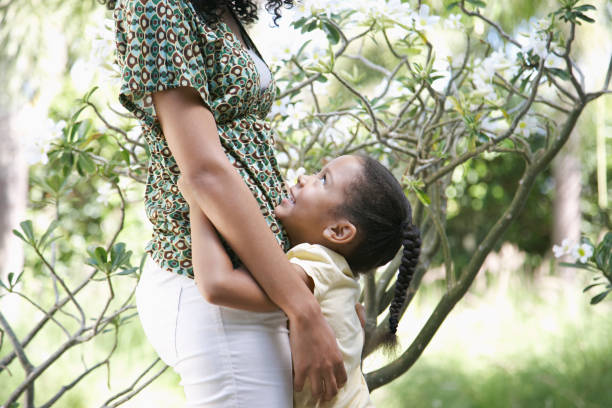
Letting go of the need to measure up to others does not happen overnight. It is a practice, a gentle and repetitive turning of the heart back to what matters. It begins with noticing the moments when the comparison arises and not judging yourself for feeling it. You are a human being in a culture that thrives on scarcity, and the feeling of not being enough is a learned response. You can unlearn it. One way to start is by turning your attention away from what other mothers are doing and toward what your own children need. Your child does not need the mother from the Instagram post. Your child needs you, with your particular laugh, your specific way of reading stories, your imperfect but genuine love.
Another gentle shift is to practice the art of the good enough mother. This is a phrase coined by the pediatrician and psychoanalyst D.W. Winnicott, and it is a profound freedom. A good enough mother does not get everything right. She is present, she loves, she tries, and she fails and repairs. That repair, that moment of saying I am sorry for yelling, I was tired, let me try again, is far more valuable to a child’s emotional development than a perfectly executed routine. Children do not need perfection. They need connection. They need to know that love survives mistakes.
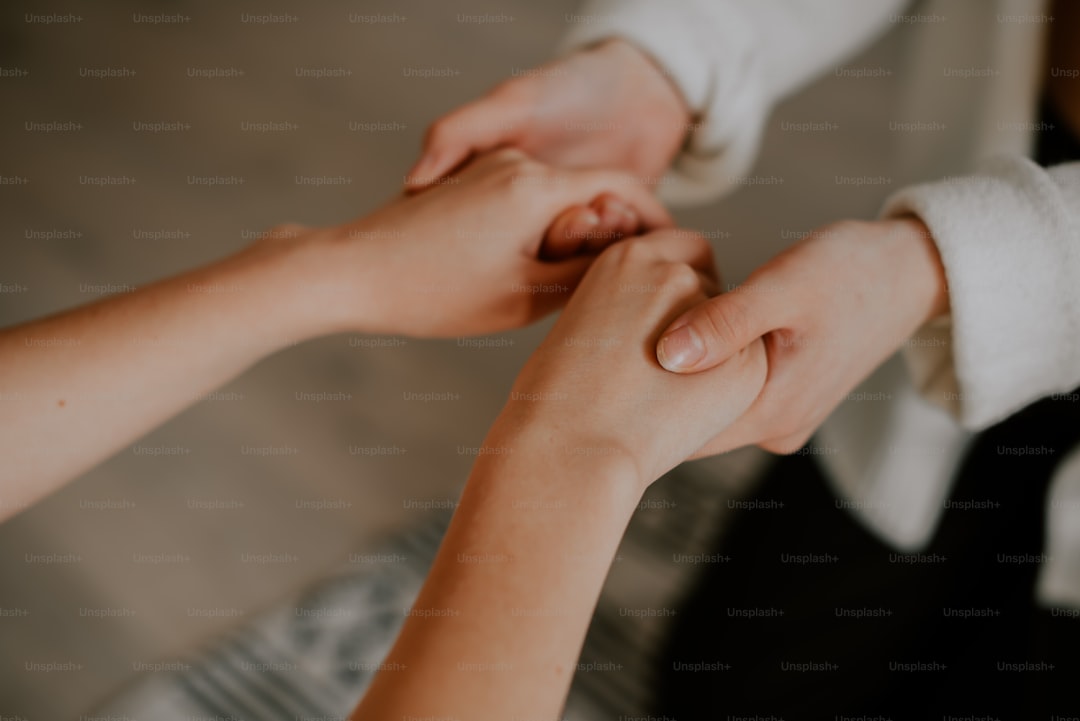
When you feel the sting of judgment, whether it comes from a stranger or from your own inner critic, ask yourself a simple question. Is this thought helping me become a calmer, more present mother? If the answer is no, you have permission to let it go. You do not have to argue with it or fix it. You can simply acknowledge its presence and return your focus to your breath, to the warmth of your child’s hand in yours, to the small and real moment in front of you. You are not behind. You are not failing. You are exactly where you need to be, learning as you go, just like every other mother who has ever loved a child.
The next time you feel the pull to compare, remember that your journey is yours alone. The mothers you admire are not ahead of you. They are walking their own path, with their own hidden struggles and small victories. The only competition that matters in motherhood is the one where you try to be a little kinder to yourself today than you were yesterday. That is a race you can win, and your children will be the ones to benefit most of all.