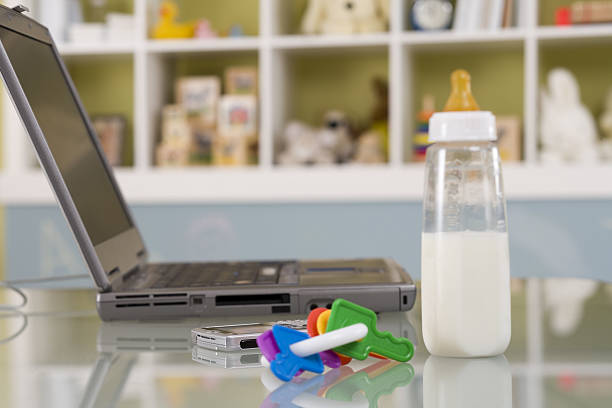
You wake up already exhausted. The baby cried at 2 a.m., then again at 4, and by 6 your toddler was standing at the side of your bed, patting your face with sticky fingers. You have not slept a full stretch in what feels like geological time. The advice to “sleep when the baby sleeps” feels like a cruel joke when the baby sleeps in twenty-minute increments and you have laundry, dishes, and a work email that cannot wait. So what do you do when true, restorative sleep is simply off the table for this season of your life?
You learn the lost art of the micro-rest.
A micro-rest is exactly what it sounds like: a very small, intentional pause that asks almost nothing of your schedule but gives your nervous system a moment to reset. It is not a nap. It is not meditation in the formal sense. It is a tiny pocket of permission you grant yourself to exist for a minute or two without doing, without thinking about the next task, without problem-solving the sleepless night ahead. This concept is crucial for mothers because it meets you exactly where you are: sleep-deprived, overwhelmed, and without the luxury of a full night’s rest.
Consider the moments that already exist in your day. You sit in the car after dropping your child at school. You stand in front of the microwave waiting for the oatmeal to heat. You sit on the edge of the tub while your preschooler splashes and sings the same song for the tenth time. These intervals are usually filled with scrolling, worrying, or mentally writing a to-do list. But what if you used just one of those natural breaks for a micro-rest?
Close your eyes for sixty seconds. Drop your shoulders away from your ears. Let your jaw go slack. Place one hand on your heart and one on your belly, and simply breathe. Do not try to clear your mind. Do not try to fall asleep. Just allow yourself to be present in your body for a handful of breaths. That is enough.
The beauty of the micro-rest is that it does not require a dark room, a white noise machine, or a partner to take over childcare. It requires nothing more than your willingness to step out of the relentless forward motion of motherhood for a blink of time. And the effects are real. Research in psychology and neuroscience shows that brief periods of intentional rest, even as short as ninety seconds, can lower cortisol levels, reduce heart rate, and improve your ability to regulate emotion. For a mother running on fumes, this can mean the difference between snapping at your partner and simply saying, “I need a minute.”
You might feel resistance to this idea. You might think you do not have time, or that closing your eyes for a minute is selfish when the house is a disaster. But consider this: the narrative that says you must be productive every second is not serving you. It is serving a culture that profits off your exhaustion. You are not a machine. You are a human being who is doing an incredibly demanding job on very little sleep, and you deserve small mercies.
Another version of the micro-rest is what I call the “one-song surrender.” Pick a song that soothes you, something gentle and familiar. Put on headphones if you can, or just let it play from your phone. Lie down on the floor if you are able, or simply lean back in your chair. Listen to the whole song without doing anything else. Do not check your email. Do not fold the laundry. Do not mentally compose your grocery list. Just listen. When the song ends, your micro-rest is over. You can resume your life. That one song gives your brain a short vacation from the noise of responsibility.
If you are dealing with a newborn who cluster-feeds, try the “three-breath reset” during a feed. When you feel frustration rising or tears threatening, pause. Take three slow, deep breaths, making each exhale longer than the inhale. That is all. You do not have to solve the sleep problem. You do not have to fix anything. You only have to breathe three times with intention. This tiny act disrupts the spiral of overwhelm and reminds your body that safety is still available to you, even in the midst of exhaustion.
Sleep deprivation is not something you can simply think your way out of. It is a physical reality that demands patience and compassion. But micro-rests offer a bridge. They help you survive the sleepless stretches without completely losing yourself. They are not a cure, but they are a comfort. And sometimes, comfort is what you need most.
The next time you feel that familiar wave of bone-tired frustration, stop. Find your one minute. Close your eyes. Let the world wait. You are doing enough. You are enough. And this one small rest is yours.