
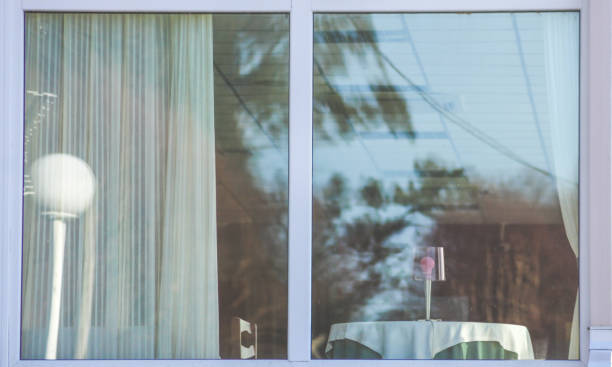
There is a small window in your kitchen, the one you pass a dozen times a day with your hands full of laundry, a sippy cup, or a half-eaten granola bar. You glance through it, but you do not really see. The world outside becomes a blur of motion and light, a backdrop to the relentless to-do list running through your mind. But what if you paused? What if, for just sixty seconds, you gave yourself permission to stop doing and simply be? This is not a luxury reserved for vacations or rare quiet evenings. It is a micro-moment of pleasure, a tiny rebellion against the tyranny of constant busyness, and it is waiting for you right there, behind that pane of glass.
Staring out a window might sound like the most unproductive thing a mother can do. After all, there are dishes soaking in the sink, a pile of mail that needs sorting, and a preschooler who is suddenly very interested in drawing on the wall with permanent marker. Yet, in that very act of stillness, you are doing something profoundly productive for your own nervous system. When you let your eyes soften and your gaze drift to the leaves of a tree swaying in the breeze, or watch a single cloud change shape as it drifts across the sky, you give your brain a chance to reset. This is not laziness. This is gentle, restorative noticing.
The beauty of this micro-moment is that it requires nothing but your presence. You do not need a special spot in the house, a candle, or a perfectly brewed cup of tea. You simply need a window and the willingness to step out of the current of tasks for the length of a few slow breaths. The next time you find yourself in the kitchen, instead of reaching for your phone to check notifications or rushing to wipe the counter, try this. Place both feet flat on the floor. Let your hands drop to your sides. Turn your head toward the window, and for the count of three slow inhales and exhales, give your full attention to whatever is outside. It does not have to be a scenic view. A parking lot, a neighbor’s fence, a patch of sky between buildings—all of it holds textures, colors, and movements that can anchor you back into the present moment.
Notice the way light falls on a surface. Watch a bird hop from branch to branch. Observe the repetitive dance of a flag in the wind. You are not analyzing or judging. You are simply letting your senses drink in the world without the pressure to change it. This is a form of gentle meditation that fits into the edges of your day. It costs nothing, takes almost no time, and leaves you feeling just a little more spacious inside. For mothers who carry the weight of everyone else’s needs, this act of pausing is a tiny declaration that your own need for peace matters, too.
Guilt may whisper: “You should be cleaning something. You should be answering that email.” But consider this: when you pause to stare out the window, you are not taking away from your family. You are adding a moment of calm to the atmosphere of your home. Children learn more from what we model than from what we say. When they see you take a breath, soften your shoulders, and look out at the world with quiet curiosity, they learn that rest is allowed. They learn that their mother is a person who can pause, and that pause is a gift, not a waste.
You might worry that you will forget the moment as soon as it ends. That is okay. The point is not to remember it forever, but to experience it fully right now. The washing machine will still be there when you look away. The mess will wait. But that micro-moment of pleasure—that sixty-second window vigil—will have already done its quiet work. It might lower your heart rate just a little. It might loosen a knot of tension in your jaw. It might remind you that you are still a person, not just a caretaker.
So the next time you find yourself rushing through your kitchen, slow down. Stop right in front of the window. Let yourself be a woman gazing out at the world, not a mother doing thirty things at once. This is not unproductive time. This is soul-filling time. And you deserve every single second of it.