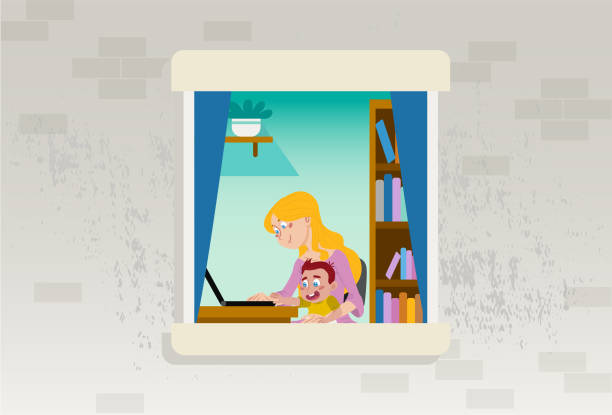
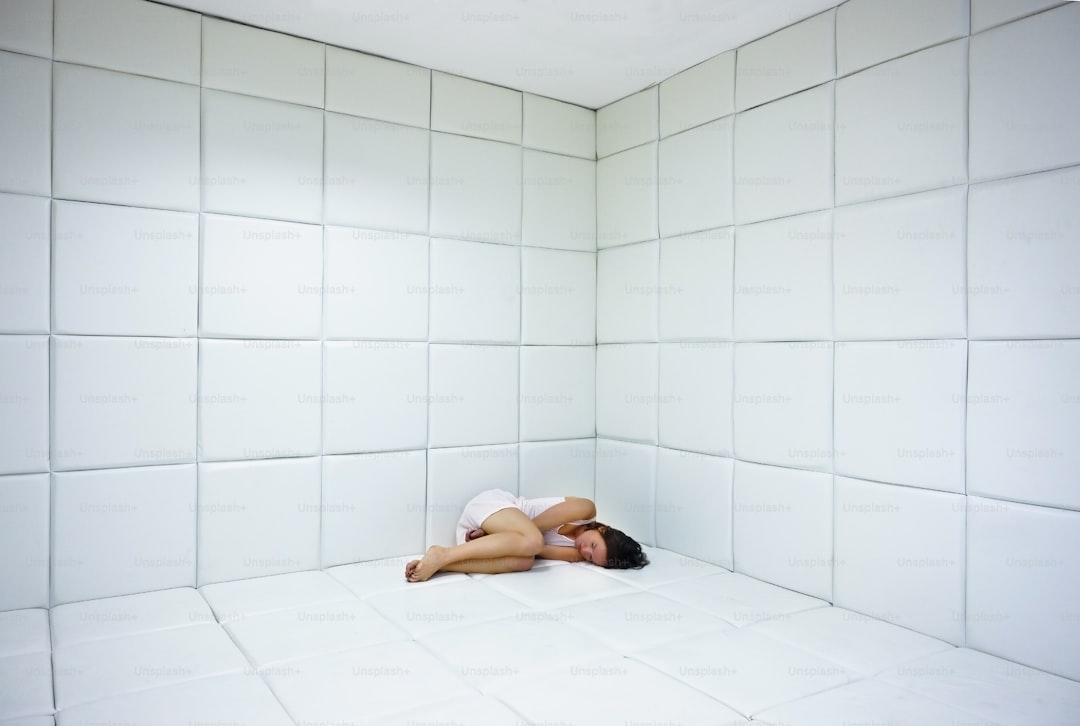
On the surface, a sick day should be a respite—a sanctioned pause from the demands of work or school to focus on recovery. Yet, for many, the experience is fraught with a unique and potent form of stress that often feels more intense than the pressure of a regular, busy day. This paradoxical anxiety stems not from the illness itself, but from a collision of psychological, professional, and societal forces that transform a day of rest into a minefield of worry.
Fundamentally, sickness disrupts our sense of control, which is a cornerstone of mental well-being. A regular day operates within a predictable framework: we manage our schedules, meet our obligations, and navigate expected challenges. Illness shatters this autonomy. Our bodies, usually reliable instruments, become foreign and unreliable. This loss of bodily control is profoundly unsettling, breeding frustration and a low-grade panic about when normalcy will return. Simultaneously, we lose control over our workload and commitments. The knowledge that emails are accumulating, tasks are being postponed, and colleagues may be picking up our slack creates a background hum of guilt and apprehension. This “productivity guilt” is a modern plague, making rest feel like a transgression rather than a necessity.
This guilt is amplified by the specter of workplace culture, whether real or perceived. In many environments, despite formal policies, an unspoken stigma persists around taking sick leave. Employees fear being seen as weak, unreliable, or less dedicated. This is especially true for knowledge workers, whose output can be less visible, making an absence more conspicuous. The stress of managing the perception of others—crafting the “perfect” sick email, worrying about what is being said in your absence—adds a layer of performative labor to simply being unwell. Furthermore, the logistical nightmare of actually calling in sick, especially in roles without adequate coverage, can feel more daunting than powering through the day. The mental calculus of deciding “how sick is sick enough” is itself a draining exercise.
Compounding this is the cognitive burden of the “mental to-do list.“ On a regular day, we tackle tasks sequentially, checking them off with a sense of progress. A sick day freezes that list in place. Each hour spent resting is mentally tallied against the growing pile of postponed duties. The mind, foggy with fever or medication, becomes a theater where anxieties about upcoming deadlines and meetings play on a loop. This creates the cruel irony of being physically unable to work yet mentally incapable of escaping it. True cognitive rest becomes impossible, impeding the very recovery the day is meant to provide.
Technology, for all its benefits, has effectively annihilated the boundary between work and home, making a clean break during illness nearly impossible. The smartphone on the nightstand is a portal to workplace stress. The ping of a Slack notification or the sight of an unread email count can trigger spikes of anxiety, tempting us to “just check in” and thereby eroding any restorative benefit. The sick day becomes a hybrid state—neither fully engaged at work nor fully disengaged at rest—which is inherently stressful and counterproductive.
Ultimately, the heightened stress of a sick day reveals a flawed relationship with rest in our productivity-obsessed society. We have internalized the notion that our worth is tied to our output, making sanctioned inactivity feel like failure. The stress is a symptom of a culture that pays lip service to self-care while subtly punishing those who practice it. To reclaim the sick day as the therapeutic tool it is meant to be requires a collective shift: employers fostering genuine psychological safety, individuals practicing self-compassion, and a broader understanding that true productivity is sustainable only with periodic, unapologetic rest. Until then, the sick day will remain a paradoxical punishment, a day off that often feels more demanding than the day on.