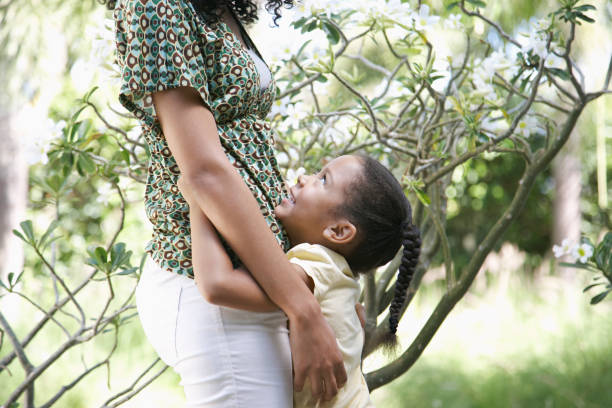
There is a quiet moment in the evening when the house finally settles. The dishes are done, or perhaps they are not. The children are asleep, and you sit down with a cup of tea that has long gone cold. In this stillness, your mind begins to replay the day. You think about the neighbor who asked you to watch her toddler for an hour, and how you said yes even though your own children were running a fever. You remember the committee chair who emailed asking for one more volunteer shift, and how you typed back a cheerful agreement before you even finished reading. Somewhere in your chest, a small knot of tiredness tightens. You love being helpful. You are a mother, after all, and mothers are the ones who hold everything together. But lately, the weight of all those yeses has begun to press against your shoulders, leaving little room for your own breath.
Learning to say no is not about becoming unkind or selfish. It is about recognizing that your time and energy are finite, precious resources that must be spent wisely if you are to care for the people who depend on you—including yourself. For many mothers, the word no feels like a door that should never be closed. We are taught from an early age that a good mother is available, generous, and always ready to help. But the truth is that an exhausted mother, stretched thin by countless obligations, cannot give her best to anyone. Saying no to one thing is often saying yes to something else: a quiet afternoon, a walk alone, a moment to read a book without interruption. It is a gift you give to your own well-being.
The art of saying no begins with a simple shift in perspective. You do not have to justify your refusal. You do not need to offer a long explanation or a detailed list of reasons. A gentle but firm no is enough. You can say, “I am not able to take that on right now,” or “That doesn’t work for my schedule.” The words may feel awkward at first, like a new pair of shoes that need breaking in. But with practice, they become more comfortable. You might notice that the world does not end when you decline an invitation. In fact, people often respect your honesty more than your reluctant compliance.
One of the hardest hurdles for mothers is the guilt that accompanies saying no. You may worry that you are letting someone down, that you are not being a good friend or a dedicated volunteer. This guilt is a familiar companion for many women, but it is important to remember that it is not a sign of failure. It is simply a feeling, and feelings can be acknowledged without being obeyed. When guilt arises, take a deep breath and remind yourself that you are allowed to protect your own peace. The people who truly care about you will understand. Those who do not may be testing boundaries that you have every right to set.
Another helpful practice is to pause before you answer any request. Many mothers say yes automatically, without taking a moment to consider whether they have the capacity. The next time someone asks for your time, give yourself permission to say, “Let me check my calendar and get back to you.” This small delay gives you space to think. You can weigh your current commitments, your energy level, and your own needs. Often, after a short pause, you will realize that you simply cannot add one more thing without breaking your own balance.
It is also important to recognize that saying no does not have to be a dramatic declaration. A quiet no, spoken with kindness, is just as valid. You can express gratitude for the invitation while declining. For example, “Thank you so much for thinking of me, but I need to take some time for my family this week.” You are not rejecting the person; you are simply honoring your own limits. Over time, as you practice this gentle art, you will find that your days feel less cluttered. The constant hum of obligation quiets. You have more room for the activities that truly nourish you—playing with your children without distraction, reading a novel, or simply sitting in the sun.
Mothers are often the ones who put themselves last. We are taught that sacrificing our own needs is a sign of love. But the deepest love, the kind that sustains a family, comes from a place of fullness, not emptiness. When you say no to something that drains you, you are saying yes to the life you want to live. You are teaching your children an invaluable lesson about boundaries and self-respect. They learn from you that it is okay to say no, that taking care of yourself is not selfish, and that love does not require constant giving.
So the next time you feel the familiar pull to say yes when every part of you is crying no, remember that you have permission to pause. You have permission to protect your time. You have permission to be kind to yourself. The art of saying no is not about closing doors. It is about opening the door to a calmer, more intentional life—one where you can breathe, rest, and truly be present for the moments that matter most.