

There is a quiet corner in your kitchen where the morning light spills across the counter. It is not a large space, just a few square feet of worn tile where you stand with your coffee while the house is still sleeping. In that small pocket of silence, you are not a chauffeur, a chef, a homework helper, or a referee. You are simply yourself, breathing in and out, letting the warmth of the mug settle into your hands. This is your sacred space, and protecting it is one of the most loving things you can do for yourself and your family.
The concept of sacred space is not about building a fortress or retreating from the world. It is about drawing a gentle line around the parts of your life that restore your energy, your peace, and your sense of self. For a mother, that sacred space might be the ten minutes you spend reading a novel before everyone wakes up. It might be the afternoon walk you take alone, without a stroller or a dog or a phone buzzing with requests. It might be the simple act of sitting on your porch steps and watching the clouds drift by, without anyone needing anything from you.
Yet how often do we allow that space to be invaded? The phone rings, and we answer. A friend asks for a favor, and we say yes before we have even considered whether we have the capacity. Our children want one more snack, one more show, one more story, and we give in because it is easier than the alternative. We tell ourselves that we are being helpful, that we are being kind, that we are being good mothers. But what we are really doing is chipping away at our own foundation, piece by fragile piece.
The art of saying no begins with recognizing that your sacred space is not selfish. It is essential. When you protect your quiet corner, you are not taking something away from your children or your partner. You are filling your own well so that you have water to give them later. A mother who is depleted cannot pour into anyone else. She becomes irritable, resentful, and exhausted. She snaps at small things. She feels her patience fraying like an old rope. This is not the mother she wants to be, and it is not the mother her family needs.
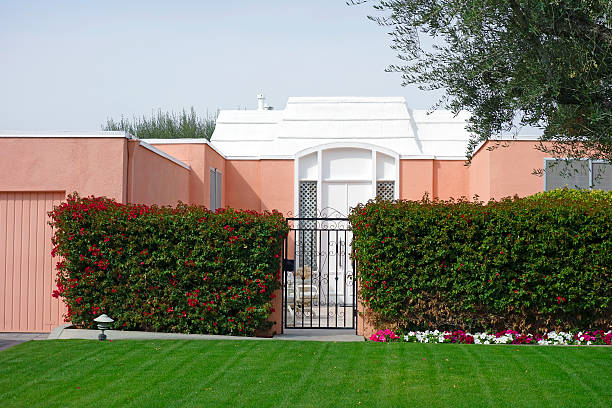
Saying no, then, becomes an act of profound love. When you say no to that extra committee commitment, you are saying yes to Sunday morning pancakes with your children. When you say no to the phone call that drains your energy, you are saying yes to sitting quietly with your own thoughts. When you say no to the endless stream of requests from your children, you are teaching them something invaluable: that boundaries are not walls, they are gates that keep the garden safe.
Practice saying no in small ways first. The next time someone asks you to bring a dish to a potluck, you can say, “I won’t be able to this time, but thank you for thinking of me.“ The next time your child begs for one more episode, you can say, “I love you, and the answer is no. Let’s find something else to do together.“ Notice how the world does not end. Notice how your shoulders drop just a little bit. Notice how the quiet corner in your kitchen feels a little more like yours.
There will be moments when saying no feels impossibly hard. You may worry about disappointing someone, about being seen as unhelpful or unkind. But remember that every time you say no to something that drains you, you are saying yes to something that sustains you. You are teaching your children that their own boundaries matter, too. You are modeling a life where rest is honored, where self-care is not a luxury but a necessity, where a mother can be whole and present and peaceful.
The women who love you will understand. The relationships that are meant to last will endure your gentle no. And your sacred space will remain a place of restoration, a small sanctuary where you can remember who you are outside of all the roles you play. It is waiting for you. All you have to do is protect it.