There is a quiet magic in a day that costs nothing. For mothers who carry the invisible weight of every grocery list, every school fee, every unexpected car repair, the idea of a spending-free day might feel like a small rebellion. And in the best way, it is. It is a gentle rebellion against the constant hum of “need to buy,” a tender invitation to remember that you already have enough. Creating a simple, stress-free family budget does not have to mean tightening every screw until the whole household groans. It can mean giving yourself permission to pause, to notice what you already own, and to discover that the richest moments often cost nothing at all.
Think of a spending-free day as a soft boundary you set for yourself and your children. You pick one day each week—or even just one day every two weeks—and you decide that on that day, the wallet stays closed. No coffee shop runs, no online orders, no spontaneous toy purchases at the grocery checkout. The goal is not deprivation but awareness. When you remove the option to spend, you suddenly see how many small opportunities for spending were actually draining your energy without adding real joy. That drive-through iced coffee you buy out of habit? On a spending-free day, you make tea at home and sit down to drink it. That feeling of being rushed and tired, reaching for a quick purchase to soothe yourself? On a spending-free day, you learn to soothe yourself with a slow walk around the block or a few minutes with a book.
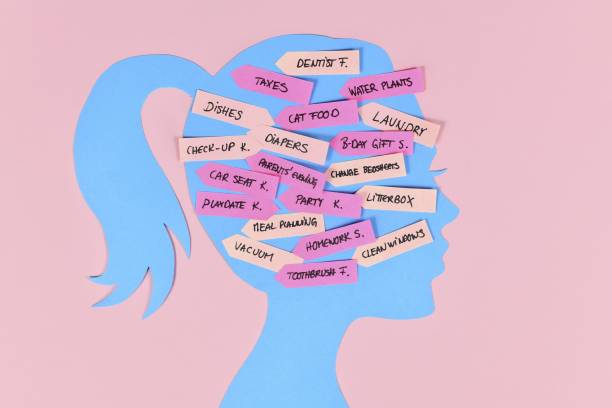
For mothers, the financial pressure often comes not from one big expense but from the steady drip of small costs that seem necessary in the moment. A snack for a fussy toddler, a new water bottle because the old one got left at the park, a last-minute birthday gift for a classmate you forgot about. These purchases add up, and they also add a subtle layer of stress. Each one is a tiny decision, a tiny negotiation with your budget. A spending-free day interrupts that pattern. It gives your mind a rest from the constant calculation of cost. You wake up knowing that for the next twenty-four hours, money is simply not part of your decision-making. That freedom, surprisingly, can feel like a deep breath for your whole nervous system.
Preparing for a spending-free day is part of the gift. The night before, you might check the pantry and the fridge, making sure you have everything you need for simple meals. You might fill your water bottles, charge your phone, and pull out a few activities for the kids that do not require new supplies. This preparation is not a chore; it is an act of kindness toward your future self. It says, “I see you, and I want tomorrow to be smooth and peaceful.” When the day arrives, you might notice how much more present you become. Without the option to solve boredom or discomfort with a purchase, you lean into what is already there. You play a board game that has been gathering dust on the shelf. You make a fort with blankets and couch cushions. You open the kitchen cupboards and let the children choose a strange combination of foods for lunch, and it becomes a hilarious adventure instead of a problem.
The benefits ripple far beyond the single day. Over time, spending-free days teach your children something valuable about abundance. They learn that a day can be fun without a trip to the store, that a treat can be homemade, that being together is the real luxury. And you, as a mother, learn that your worth is not measured by what you buy for your family. You begin to see the difference between a genuine need and a passing want. This awareness makes your regular budgeting easier because you start spending money with more intention. When you do choose to spend, you feel good about it. You are no longer spending out of habit or exhaustion, but out of clear decision.
Of course, there will be days when a spending-free day is simply not possible. The car needs gas, or the baby needs medicine, or you forgot about the school field trip money. That is okay. This practice is not about perfection. It is about giving yourself regular moments of financial stillness. Even one spending-free day a month can shift your relationship with money from anxiety to gratitude. It can remind you that the most important things in your life—your health, your children’s laughter, the warmth of your home—are not for sale. And in that gentle reminder, you find a small but steady peace that no bank account can provide.