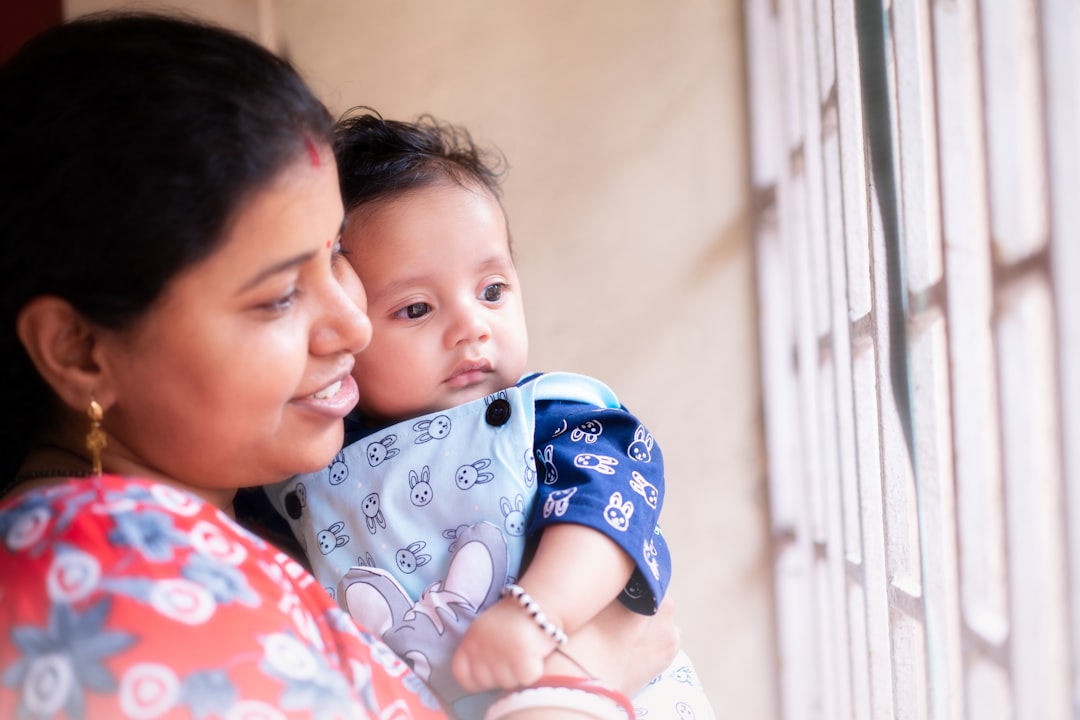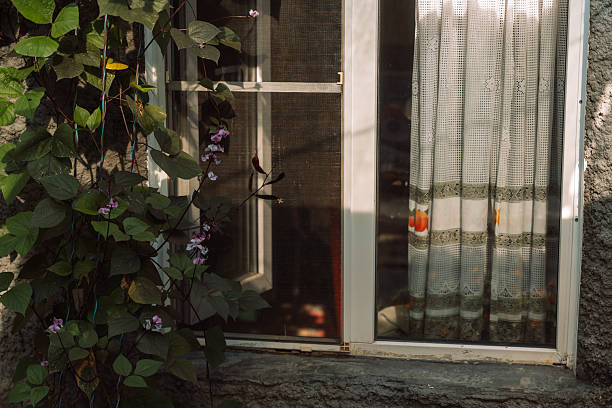
You have probably heard it a hundred times: take time for yourself. And a hundred times you have probably laughed, sighed, or felt a little pinch of resentment because between the school drop-offs, the laundry piles, the snack requests, and the endless mental load, carving out an hour for a bubble bath feels like a fantasy from another lifetime. But here is a gentle truth that might surprise you: self-care does not require an hour, a babysitter, or a spa appointment. It can happen in the space between pouring your coffee and the first child asking for help with a shoelace. It can happen in a single, intentional pause by a window.
The five-minute window pause is exactly what it sounds like. You stop whatever you are doing—even if it is just for the time it takes to inhale and exhale slowly—and you look out a window. It sounds almost too simple to count as self-care, and that is precisely why so many of us dismiss it. We have been conditioned to believe that if something is not elaborate, expensive, or scheduled, it does not really count. But let me offer you a kinder perspective: small moments of stillness, woven into the cracks of a busy day, are not just permissible. They are powerful. They are the quiet resets that keep you from running on empty.
Think of the last time you stood at the kitchen sink, washing dishes, and your gaze drifted outside. Maybe you noticed the way sunlight caught the leaves of a tree, or you watched a bird hop along the fence. For a few seconds, your mind was not on the to-do list or the argument you had with your partner or the worry about your child’s math test. You were simply present. That is the foundation of the window pause. The beauty of this practice is that it asks nothing of you except your attention. You do not need a special app, a cushion, or silence. You just need a window and a willingness to let your eyes rest on something that is not a screen or a mess or a task.
To make it a deliberate ritual rather than a fleeting distraction, try this. When you feel the familiar tension building in your shoulders or that knot forming in your stomach, walk to the nearest window. It can be any window—the one above the kitchen sink, the living room picture window, even a small bathroom window if that is all you have. Place your hand on the glass or simply let your arms hang loose. Then take three slow breaths. On the first breath, notice the farthest thing you can see. On the second breath, notice something in the middle distance. On the third breath, notice something very close, like the condensation on the glass or a speck of dust. Then let your eyes soften. Do not try to think about anything. Just let the world outside be there, and let yourself be there with it.
You might worry that this seems selfish or indulgent. Many mothers carry an invisible rulebook that says any moment not spent actively caring for someone else is wasted. But consider this: when you give yourself five minutes to breathe and simply exist, you are not taking anything away from your children or your responsibilities. You are actually refilling a well that has been drawn dry. You are modeling for your children what it looks like to honor your own needs without apology. You are teaching them, wordlessly, that rest is not something to earn but something to deserve simply because you are human.
The window pause works because it connects you to something larger than the chaos of your day. It reminds you that the world keeps turning, that clouds drift and seasons change, and that your stress, while real, is not permanent. Sometimes just seeing a patch of blue sky or a row of rooftops can quiet the inner noise. If your window looks onto a brick wall or a parking lot, that is okay too. Notice the textures, the lines, the play of light and shadow. Even the most ordinary view holds patterns that can ground you.
You can do this five-minute pause anytime. While the oatmeal is microwaving. After you have buckled the kids into car seats and before you start the engine. During a bathroom break that you actually take alone. The key is to do it without guilt. Tell yourself: I am allowed this. I am not being lazy. I am being kind to the person who holds everything together. And that kindness is not a luxury. It is a necessity.
So the next time your mind is racing and your patience is frayed, find a window. Let the outside in. Let your breath slow. Let five minutes pass without fixing, without planning, without worrying. You may find that those five minutes give you back more than an hour ever could.