
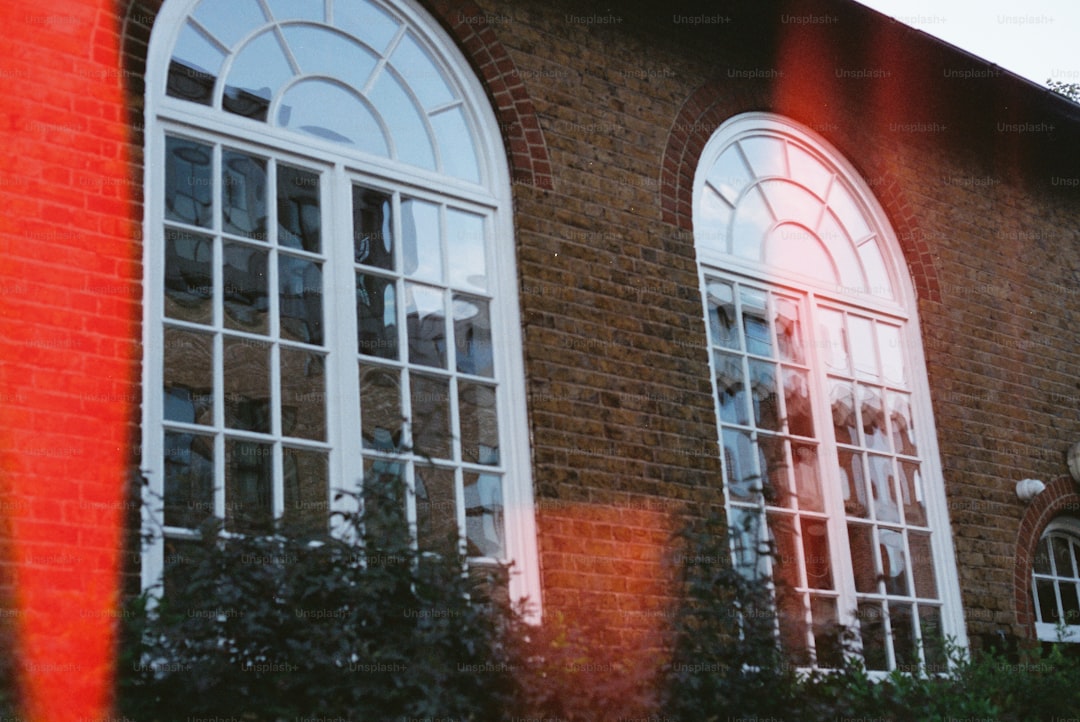
You know those moments when the noise of the day feels like it has a physical weight? When the toys are scattered, the laundry pile teeters, and someone is asking for a snack for the fifth time in ten minutes? In those moments, your mind whispers that you should be doing something productive, that sitting still is a luxury you haven’t earned. But what if I told you that one of the most powerful tools for resetting your nervous system is already right there in your home, and it costs nothing, takes no preparation, and asks only for five minutes of your attention? It’s the window in your kitchen, your living room, or even the small one above the sink. The five-minute window gaze is a gentle invitation to step out of the rush and into the quiet rhythm of the world outside.
Let’s be honest—when you hear the phrase “self-care,” you might picture a bubble bath with candles, a yoga class you can’t leave the kids for, or an hour of silence that feels impossible to carve out. That version of self-care is lovely when it happens, but for most of us, it’s a rare or guilt-laden event. The window gaze is different. It asks nothing of you except that you stand, or sit, and look. There is no mat to unroll, no app to open, no timer to set if you don’t want one. You simply plant your feet, let your breath settle, and let your eyes rest on whatever lies beyond the glass. Maybe it’s a tree branch dancing in the wind, a patch of blue sky, a neighbor’s cat stretching on the porch, or even rain streaking down the pane. The content doesn’t matter. The act of looking outward, away from the demands inside, is what begins to shift the tension in your shoulders.
This practice works because your brain is wired to respond to open spaces and natural light. When you stare at a screen, your mind stays in a narrow, focused, often stressful mode. When you gaze at the distant horizon or the movement of leaves, your peripheral vision expands, your heart rate can slow, and your parasympathetic nervous system—the part that helps you rest and digest—starts to wake up. In just a few minutes, you might notice your jaw unclench, your breath deepen, and your thoughts slow from a frantic list to a single, quiet observation: That cloud looks like a sleepy dog. It sounds too simple to be effective, but simplicity is exactly why it works. There is no skill to learn, no failure possible. You can’t do it wrong.
The hardest part might be giving yourself permission. That voice inside says, “You don’t have time,” or “What will people think if they see you just staring out the window?” To that, I offer a gentle reality check: you are a mother, not a machine. You are allowed to pause. In fact, pausing is what keeps you from snapping at your child or collapsing into exhaustion later in the day. Think of the window gaze as a tiny reset button for your mood. It is not selfish; it is necessary maintenance. You wouldn’t drive a car without stopping for fuel, and you cannot pour from an empty cup.
Here is how you might invite this into your day without feeling like you’re stealing time. Next time you are waiting for the kettle to boil, or for your toddler to finish a bath, or for the oven to preheat, resist the urge to grab your phone. Instead, turn toward the nearest window. Rest your hands on the counter or let them hang loosely at your sides. Let your eyes go soft, not focusing on anything in particular. Breathe. Notice the light, the colors, the shape of a cloud, the way a bird lands. If your mind wanders back to the to-do list, that’s okay. Just gently guide it back to the view. After a minute or two, you might feel a subtle release. If you have more time, stay for five. If not, even thirty seconds of focused gazing can offer a micro-moment of calm.
The beauty of this practice is that it tucks itself into the cracks of your day. It does not require you to become a different person or adopt a rigid routine. It simply meets you where you are, in the middle of the mess, and offers a breath of space. You can do it with a baby on your hip, a toddler clinging to your leg, or while waiting for the school bus. It is self-care that adapts to your life, not the other way around.
And here is the secret: the more you do it, the more you train your brain to find calm in everyday moments. That window becomes a sanctuary, a familiar friend who reminds you that the world is bigger than the chaos inside your four walls. You deserve that reminder. You deserve to stand still and let the light in. So go ahead. Next time you hear that whisper of overwhelm, walk to the nearest window and give yourself five minutes. No guilt. No excuses. Just you and the sky.