

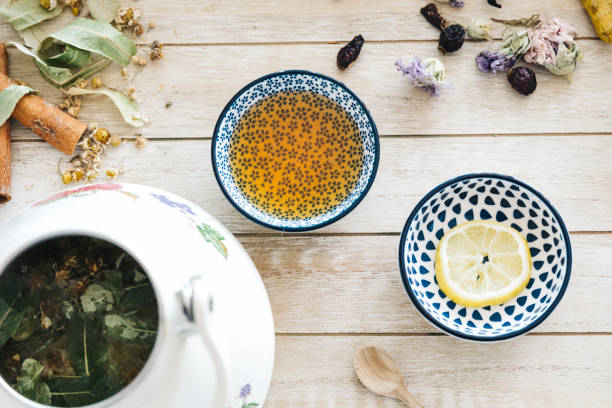
There is a quiet magic waiting for you in the simple act of making a cup of tea. Not the hurried gulp while you stir oatmeal with one hand and sign a permission slip with the other, but a deliberate, unhurried ritual that takes no more than five minutes from start to finish. You might be thinking, five minutes? I don’t have five minutes to myself. But I gently invite you to reconsider. You do have five minutes. They exist in the gap between one demand and the next, between the school run and the grocery run, between the last load of laundry and the first bedtime story. Those five minutes are yours to claim, and they can become a lifeline of calm tucked into the folds of your day.
Begin by choosing a mug that feels good in your hands. Perhaps it is the one your child painted for you, with wobbly hearts and a thumbprint that will always be too small. Or maybe it is a smooth ceramic cup that you bought for yourself on a whim, its glaze catching the light like a secret. Fill the kettle and listen to the sound of water heating. Do not rush this. That low rumble is the only task you have right now. As the kettle works, stand still. Let your shoulders drop. Let your jaw unclench. You are not needed for this moment except to wait. The water does not care about your to-do list. It simply boils.
When the steam rises, pour the water over your tea bag or loose leaves. Watch the color bloom and swirl like a slow dance. If you use a tea bag, you can let it steep for one to three minutes, depending on how strong you like it. This is not a timer you need to watch with anxiety. You can simply stand at the counter, breathe in the fragrance that lifts from the cup, and let your mind drift. You might notice the gentle curl of steam, the way it disappears into the air. You might notice the warmth radiating from the ceramic against your palms. You might notice the absolute stillness of the floor beneath your feet. This noticing is the whole point.
Now lift the cup. Do not drink yet. Hold it close to your face and let the heat kiss your cheeks. Close your eyes. Inhale deeply. The scent of chamomile, peppermint, or black tea—whatever you chose—fills your lungs like a gentle hug. Exhale slowly. Repeat that three times. That is already a minute and a half of your five minutes spent in pure, guilt-free presence. You are not wasting time. You are refueling your nervous system. This tiny pause tells your body, we are safe, we are still, we are allowed.
When you finally take that first sip, do it with intention. Let the liquid rest on your tongue for a second before swallowing. Notice the temperature, the flavor, the way it travels down your throat. You are not trying to finish the tea. You are meeting it. One sip, then another. If your mind wanders to the email you forgot to send or the argument you had with your partner, gently guide it back to the tea. This is not about perfect focus. It is about offering yourself a few moments of kindness, the same kindness you would give a friend who needed to sit down and breathe.
You might worry that taking this time is selfish. Let me tell you a truth you already know underneath your exhaustion: you cannot pour from an empty cup. This tiny ritual is not taking away from your family or your responsibilities. It is adding to your capacity to meet them with patience and warmth. A mother who steals five minutes for a cup of tea is not neglecting her children. She is teaching them, without a single word, that rest is necessary, that calm is possible, that you matter too.
The beauty of this practice is that it requires nothing but water, something to steep, and your willingness to stop. You do not need a spa, a paycheck, or a full afternoon. You need only the courage to pause while the world spins on without you. And the world will spin on, I promise. But you will return to it with a little more softness in your spine and a little more ease in your heart.
When your five minutes end, and the last drop is gone, set the mug down. Rinse it if you like, or leave it for later. That is not the important part. The important part is that you showed up for yourself. You carved out a sliver of peace in a day that often feels like a marathon. You drank stillness, and it drank you. Tomorrow, when the chaos starts to swirl, you can come back to this cup. It will be waiting, just as you are waiting—to be filled, to be held, to be sipped slowly, and to be enough.