Picture a typical Tuesday evening. You have just finished work, or maybe you have been home all day with little ones who needed constant attention, or perhaps you are caring for aging parents while juggling your own household. Your mind is already full of tomorrow’s appointments, a child’s permission slip that needs signing, and the laundry that somehow multiplies overnight. And then the question arrives, soft but persistent: What’s for dinner? That single, innocent question can feel like the weight of an entire day pressing down on your shoulders. You open the refrigerator, stare at the ingredients, and feel your brain freeze. This is decision fatigue, and it is one of the biggest drains on a mother’s mental energy.
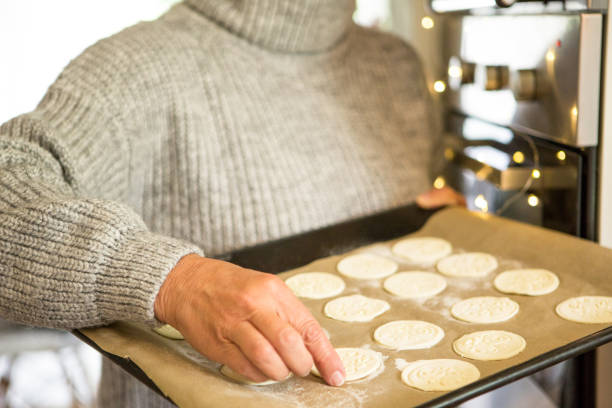
The beautiful truth is that you do not have to face that moment every single day. By batching your meal preparation, you can gather up those scattered decisions and tuck them into one calm, intentional hour. Think of batching as a gentle invitation to give your future self a gift. Instead of making a new choice about food three times a day, seven days a week, you set aside a small block of time to prepare in advance. This practice does not require a gourmet kitchen or a perfectly organized pantry. It simply asks you to choose one or two hours on a weekend or a quiet evening, during which you focus on nothing else but feeding your family for the days ahead.
Imagine the relief of opening your refrigerator on a hectic Wednesday and finding a container of pre-cooked quinoa, a tray of roasted vegetables, and a bowl of shredded chicken. You are not deciding what to cook. You are simply assembling. You toss the quinoa and veggies onto a plate, add the chicken, and dinner is ready in five minutes. Your brain thanks you with a sigh. That mental energy you would have spent on planning, chopping, and cleaning up is now available for something more precious—playing with your children, reading a book, or just sitting quietly with a cup of tea.
Batching meal prep is especially kind to mothers because it respects the way our minds actually work. Every time you make a decision, no matter how small, you spend a little bit of your cognitive fuel. By the end of the day, the tank is nearly empty. When you batch, you use that fuel only once for a whole week’s worth of meals. You choose the recipes, you wash and chop the vegetables, you cook the grains, and you portion everything out. Then you rest. The rest of the week, you are simply a gentle re-heater and assembler. This is not about being a supermom. It is about being a wise mom who knows that her mental energy is a limited and precious resource.
You might worry that batching sounds like too much work all at once. But remember that one hour of focused effort can save you many scattered hours of daily chopping, scrubbing, and thinking. It also reduces the mess. Instead of cleaning a cutting board and a pan every evening, you do it once. Instead of dragging yourself to the grocery store multiple times a week because you keep forgetting an ingredient, you make one thorough trip. The rhythm becomes calming rather than chaotic. Many mothers find that listening to a podcast or playing soft music during their prep time turns it into a small ritual of self-care rather than another chore.
This approach also offers flexibility. You do not have to batch everything. You might choose to batch only breakfasts—perhaps a batch of overnight oats or freezer-friendly egg muffins. Or you might batch only the protein for dinners, cooking a large batch of ground meat or beans to use in different ways. Start small. Even batching one meal type can free up significant mental space. And if you have older children, you can invite them to help, turning the prep time into a quiet, connected moment. A toddler can wash lettuce, a teenager can chop onions. You are not only saving your own energy but also teaching them a gentle approach to daily life.
The true gift of batching meal prep is the permission it gives you to stop deciding. When your mind is full, cooking can feel like one demand too many. But when you have already done the work, cooking becomes an act of nurture rather than a burden. You can look at that container of soup you made on Sunday and feel a quiet pride. You took care of yourself and your family before they even knew they needed it. That is the heart of gentle stress management. You are not running faster. You are simply arranging your time so that you can slow down. And that, dear mother, is a kindness you deserve.