

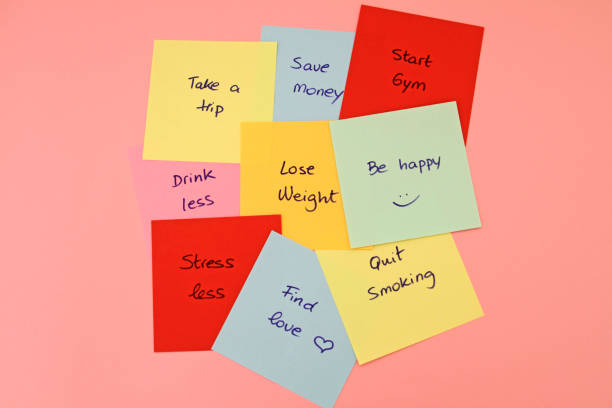
In a world of endless demands, opportunities, and distractions, the line between a fulfilling life and an overwhelmed one is often drawn by our ability to discern a true “yes” from a necessary “no.“ Prioritizing these responses is not a matter of whimsy or guilt, but a profound exercise in self-awareness and intentional living. The key lies not in a rigid system, but in cultivating a personal framework that aligns our finite time and energy with our deepest values and long-term objectives.
The foundation of this framework begins with clarity of purpose. Without a compass, every request seems equally valid. Therefore, we must first define, however loosely, what matters most. This encompasses core values—such as family, health, creativity, or growth—and broader goals, both professional and personal. When an opportunity arises, we can measure it against this internal blueprint. A potential “yes” should resonate with these pillars, propelling us toward the person we wish to become. An invitation that pulls us away from them, no matter how appealing on the surface, likely deserves a “no.“ This is not selfishness, but stewardship of one’s one life.
With purpose as a guide, we must then engage in honest resource accounting. Time, energy, and attention are our most precious currencies. A thoughtful “yes” requires not just evaluating the appeal of the activity itself, but realistically assessing its cost. This involves considering the project’s full scope, its duration, and, crucially, what existing commitment it might displace. The most strategic “no” is often said not to the bad things, but to the good things that would crowd out the best things. It is the recognition that every agreement is a trade-off, and we must ensure the exchange is worthwhile.
Emotional intelligence plays a subtle but critical role in this discernment. We must learn to distinguish between a genuine “yes” and one born of obligation, fear of missing out, or a desire to please. The sinking feeling in your stomach when asked to take on another committee role is data. The reflexive urge to say “yes” to a social event when you are already exhausted is a signal. Tuning into these visceral responses provides invaluable insight. Conversely, a sense of authentic excitement or quiet alignment is a powerful indicator of a worthwhile “yes.“ This requires pausing before responding, creating a space between request and reply to consult our internal gauge.
Finally, effective prioritization acknowledges that our “yes” and “no” carry weight in our communities. Therefore, consistency and communication are vital. A pattern of reliable “yeses” in areas central to our purpose builds trust and integrity. Equally, a respectful “no,“ delivered clearly and without excessive apology, sets healthy boundaries and manages expectations. It is far better to decline upfront than to deliver a half-hearted, resentful “yes” that leads to poor performance or burnout. By communicating our priorities transparently, we invite others to respect them.
Ultimately, prioritizing our affirmations and declines is a continuous practice, not a perfect science. It is the daily work of aligning action with intention. Some decisions will be clear, while others will live in the gray area, requiring us to weigh pros and cons with imperfect information. Yet, by grounding our choices in a defined purpose, a realistic view of our resources, and an attunement to our inner signals, we cultivate a more deliberate and sustainable path. The power to choose our “yes” with conviction and our “no” with grace is, in the end, the power to design a life that is not just busy, but truly meaningful.