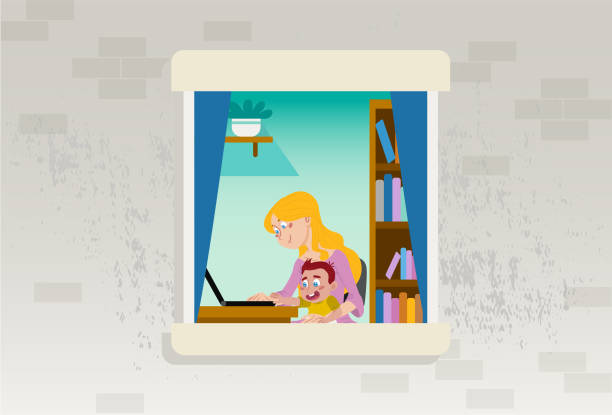
There is a moment every mother knows intimately. It arrives without warning, often in the middle of a grocery aisle, just before nap time, or precisely when you are already running late. Your toddler’s face crumples, a wail erupts like a siren, and suddenly the world shrinks to the size of that small, frustrated body. In that instant, your own stress response can flare up like a match. Your heart races, your jaw tightens, and a familiar voice whispers inside you, “I cannot handle this.” Yet the truth is, you can. The secret is not to stop the tantrum, but to stay present with yourself while it unfolds.
When your child is thrashing on the floor or screaming in overwhelming frustration, it is natural to feel your own emotions rising. You may worry that other parents are judging you. You may feel a sharp pang of guilt, wondering if you did something wrong or if you are a bad mother. This is where the real work begins—not in controlling your toddler, but in managing your own internal storm. Staying present does not mean you have to enjoy the noise or pretend everything is fine. It means anchoring yourself so that you can be a steady, calm shore for your child to eventually return to.
One gentle way to practice this is by taking a single slow breath before you react. In the heat of the moment, that pause can feel like a small act of rebellion against your own anxiety. Breathe in for four counts, hold softly, and release for four counts. This simple rhythm signals to your nervous system that you are not in danger. Your child’s tantrum is a communication, not a catastrophe. It is a message that their little brain is overloaded and they need your help to regulate. When you breathe, you remind yourself that you are the adult, and you have the capacity to remain calm even when your toddler cannot.
Another powerful tool is to lower your physical stance to match your child’s level. Instead of standing over them—which can feel intimidating or authoritative—consider sitting on the floor nearby. This small gesture tells your child, “I am here with you, not against you.” It also helps you feel more grounded and less reactive. From this position, you can offer a soft presence without needing to fix the problem right away. Sometimes silence and proximity are more healing than words. You might hum a quiet tune or simply rest a gentle hand on their back. Your nearness alone is a lifeline.
It is also helpful to reframe the tantrum as a developmental milestone rather than a personal failure. Your toddler is not giving you a hard time; they are having a hard time. Their brain is still learning how to process big feelings, and they need you to be their emotional co-regulator. When you stay present in the middle of the storm, you are teaching them that emotions are safe, that they can be felt deeply and then released. This lesson will serve them for a lifetime. You are not spoiling them by staying close; you are building a foundation of trust that makes future challenges easier for both of you.
Of course, there will be days when you lose your own cool. That is part of being human, and it does not make you a failure as a mother. In those moments, what matters most is what you do next. After the tantrum subsides and your child is calm again, you can offer a gentle repair. Simply say, “I’m sorry I raised my voice. I was feeling frustrated, but I love you so much.” This models accountability and shows your child that mistakes can be mended with honesty and affection. It also helps release the guilt that can otherwise linger and weigh on your heart. Forgiving yourself is just as important as soothing your child.
To support your own resilience, consider carving out tiny rituals of self-care that are invisible to the outside world. Perhaps it is a three-minute cup of tea while the tantrum dissipates, or a five-second hug you give yourself by crossing your arms. You might whisper a mantra like “This too shall pass” or “I am enough.” These micro-moments of replenishment make a surprising difference in your ability to stay present during the next meltdown. They are not selfish; they are essential fuel for the long, beautiful journey of motherhood.
Remember, you are not alone in this work. Every mother has faced the challenge of a toddler’s storm. The goal is not perfection—there is no such thing—but presence. By staying with yourself and your child through the difficult moments, you build a bond of trust and connection that will carry you both forward. In the quiet aftermath, when your toddler curls into your lap, exhausted but safe, you will know that your calm presence was the greatest gift you could offer. And in that tender stillness, you will find that you are stronger, gentler, and more capable than you ever imagined.